Introduction: The Problem Every Solo Cruise Traveler Knows
You have found the perfect cruise. The itinerary is exactly right. The departure date works. Then you check the pricing and feel it — that quiet, frustrating sting. The cabin you want costs significantly more because you are booking alone. The single supplement fee is one of the most persistent frustrations in modern travel. It penalises independent travelers for something entirely outside their control.
The good news is that this problem has a practical, enjoyable solution. Using a cruise mate finder to locate a compatible travel companion before sailing cuts that cost in half immediately. Beyond the financial relief, it delivers something the supplement fee can never give back: genuine human connection from the very first day onboard.
This guide brings together everything you need to know about finding a cruise cabin mate in 2025. We cover the real cost of solo cabin pricing, the smartest strategies for connecting with compatible travelers, how to keep yourself safe throughout the process, and how the right tools make it all easier. By the end, you will know exactly how to meet people on a cruise before your ship ever leaves port.
What this guide covers: Solo pricing and the single supplement. How to find a cruise companion safely. What to look for in a cabin mate. How modern cruise social apps have changed the game. And how to make the most of the onboard experience once you arrive.
The Single Supplement: Why Solo Cruising Costs So Much More
Most cruise lines build their pricing around two passengers sharing a cabin. A stateroom is priced per person based on double occupancy. When you book alone, you are still paying for the full cabin — and on many lines, you pay an additional single supplement on top of that. The combined effect can add between 50 and 100 percent to your base fare overnight.
This is not a hidden fee in the small print. It is a structural feature of how cruise pricing works. According to Which? Travel, solo travelers on mainstream cruise lines pay an average of 64 percent more per night than couples in equivalent cabins. Some premium lines charge even higher supplements. The result is that two people booking the same cabin on the same sailing often pay dramatically different prices simply based on how many of them there are.
The obvious fix is to find a cruise partner who can share the cabin cost equally. When two compatible solo travelers split a double-occupancy cabin, both pay the per-person rate the pricing was built around. The supplement disappears. The money saved goes directly into the holiday itself — specialty dining, private excursions, spa treatments, or simply a better cabin category than either traveler could justify alone.
Beyond the numbers, sharing a cabin gives you something else entirely. A built-in companion accompanies you at every port along the journey. The sailaway experience becomes more memorable when shared with someone, creating an instant connection from day one. A familiar face in the dining room on the first night can also make the ship feel more welcoming and comfortable. Those small social anchors transform how the whole cruise feels—particularly for first-time solo travelers who are quietly anxious about the experience.
Quick calculation: A solo traveler paying a 75% supplement on a £1,400 cabin pays £2,450. With a confirmed cabin mate splitting equally, each pays £700. That is £1,750 per person saved on cabin costs alone — before any excursion splitting.
Why Making Friends Before Sail Makes the Whole Trip Better
The financial case for finding a cruise companion is straightforward. But the experiential case is just as compelling. Passengers who make friends before sail dates consistently describe their cruises differently from those who board alone. The holiday feels warmer, less stressful, and more memorable from the moment they step onto the gangway.
Pre-sailing connection changes the texture of embarkation day. That first afternoon is chaotic on any large ship. Thousands of passengers are finding cabins, attending safety drills, and learning how the ship works. Navigating all of that alongside a person you already know — even if you only met them online two weeks ago — is a fundamentally different experience from doing it surrounded entirely by strangers.
Coordinating before departure also unlocks practical advantages that onboard friendships rarely provide. When you and your cruise cabin mate agree on dining times before the cruise, you can book a shared table at the same restaurant on the same evening. When you align on shore excursion preferences in advance, you can book a private local guide together — which is almost always better than the ship-organized tour and often cheaper per person when split. According to Lonely Planet’s cruise planning guides, private port excursions with two to four people offer the best balance of flexibility and value on most itineraries.
There is also a social confidence that comes from pre-arranged companionship. Solo travelers who board with a confirmed Find a Cruise Companion report that they are more willing to try new activities, explore unfamiliar ports independently, and engage with other passengers throughout the voyage. Having one confirmed connection removes the social pressure that makes some solo travelers cautious and self-contained aboard ship.
How the Cruise Mate Finder Has Evolved Over Time
The concept of connecting with fellow passengers before sailing is not new. What has changed dramatically is the quality of the tools available for doing it. Each generation of technology has made the process safer, faster, and more likely to produce genuinely compatible matches.
The Forum Era: Roll Calls and Message Boards
For over a decade, dedicated cruise forums served as the primary cruise mate finder resource available to solo travelers. Sites like Cruise Critic hosted sailing-specific threads called roll calls. Passengers searched for their ship and departure date, posted an introduction, and hoped for responses from compatible travelers on the same voyage.
Roll calls were genuinely useful for basic coordination. Passengers organized informal meetups, shared cabin location tips, and planned group excursions through these threads. The limitations were significant though. There was no filtering by age, interest, or travel style. Privacy was minimal. Finding a cabin-sharing match required reading through hundreds of unorganized posts with no guarantee of success. The process worked occasionally through patience and luck rather than by design.
Social Media Groups: An Improvement With New Problems
Facebook groups dedicated to specific sailings became the dominant tool next. They were faster, more visual, and felt more like normal social interaction. A sense of pre-cruise community built up in these groups, and many passengers found them genuinely useful for sharing information and building excitement.
The downsides became apparent over time. Open groups offered almost no privacy protection. Unverified profiles made identity confirmation difficult. Spam, self-promotion, and off-topic noise regularly drowned out genuine connection. And because the groups lived inside a general-purpose social network, they attracted users with very different intentions — not all focused on finding a compatible Friends Before Your Cruise experience.
Dedicated Cruise Social Apps: The Current Standard
The most effective approach today uses a cruise social app built specifically for maritime travel communities. These platforms solve the core problems of both forums and Facebook at once. They verify user identities, enable interest-based matching within specific sailings, and protect privacy by keeping communication within a secure environment until users choose to share more.
This is the space where Seaya has built something genuinely different. Rather than adapting a general social network for cruise use, Seaya was designed from the ground up for travelers who want to connect before, during, and after their voyages. You create a profile tied to your actual upcoming sailing. The platform surfaces compatible matches from the same ship and departure date. Conversations happen privately within the app, so your personal contact details stay protected until you are ready to share them. You can explore the full matching experience at seaya.
What to Actually Look for in a Cruise Cabin Mate
Finding a cruise cabin mate is not the same as finding a best friend. The relationship has a specific practical context: sharing a relatively small living space on a ship for several days. Compatibility in that context is different from general social compatibility. A person who is wonderful company at dinner can be a frustrating cabin mate if your sleep schedules are completely opposed.
Daily Rhythm and Sleep Schedule
This is the most practically important compatibility factor for cabin sharing. If you rise at six for the gym and your cabin mate comes in at two in the morning from the casino, neither of you will sleep well by day three. Be direct about your natural rhythm when you first connect with potential matches. Ask about theirs in return. An early riser paired with another early riser, and a night owl paired with another night owl, makes for a dramatically more comfortable shared cabin.
Tidiness and Personal Space Habits
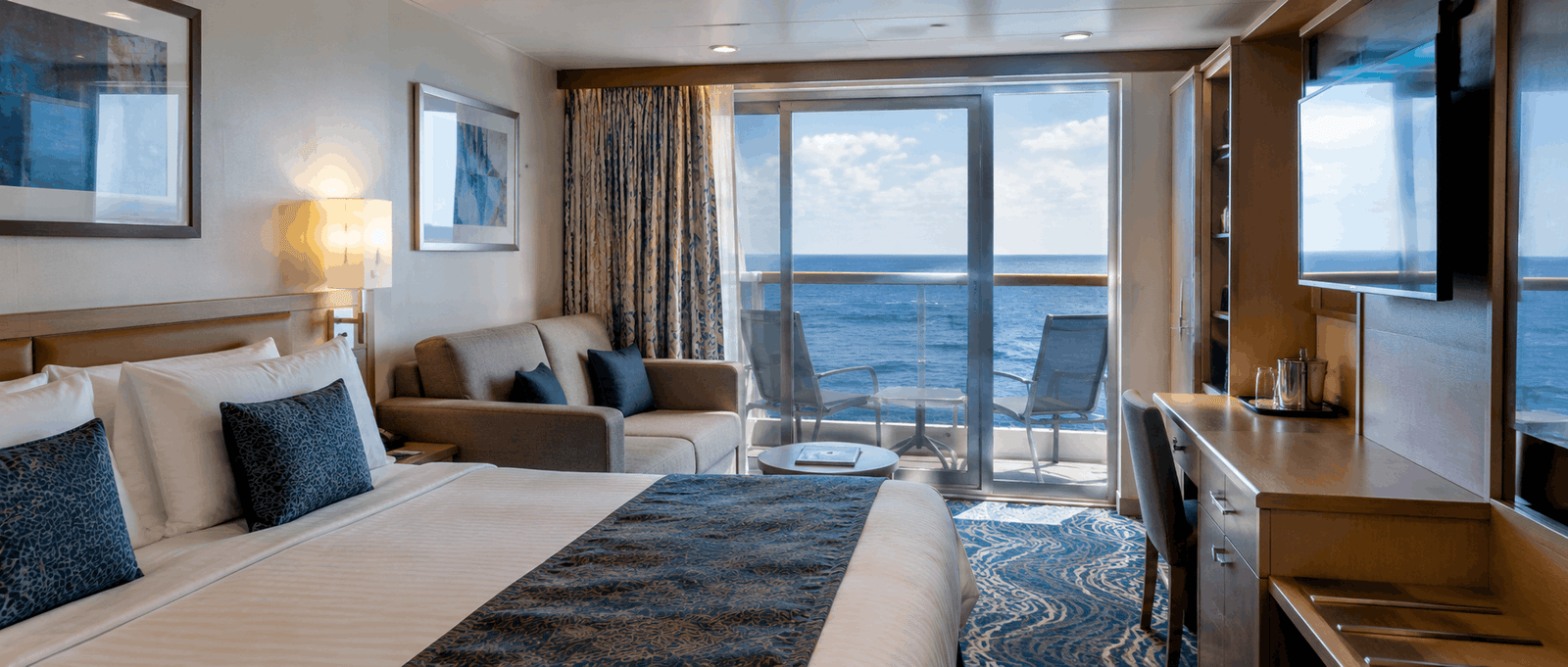
Cruise cabins are compact. On most standard sailings, a shared stateroom offers considerably less personal floor space than a typical hotel room. Small tidiness differences that would be invisible in a large apartment become sources of genuine irritation in a 200-square-foot cabin. A brief, direct conversation about expectations before you book protects both of you from a week of low-level frustration aboard ship.
Social Energy and Independence Preferences
Some travelers want a cabin mate they spend every waking hour with. Others simply want to split the costs and share a room while otherwise traveling independently. Both approaches are entirely valid. What matters is that both people in the arrangement agree on which model they are following. An extrovert who expects constant companionship paired with an introvert who needs solitude will generate friction regardless of how well matched their other preferences are.
Budget and Financial Expectations
Have the money conversation early. Agree explicitly on how you are splitting the cabin cost. Discuss daily gratuity charges, which on most lines are applied automatically per person. Talk about your general daily budget for meals, drinks, and excursions. You do not need to spend identically — but you do need to understand each other’s expectations clearly enough that no one feels pressured or surprised. The U.S. Consumer Financial Protection Bureau recommends putting shared expense agreements in writing before any joint travel booking, regardless of how well you know the other person.
How to Use Solo Travel Apps to Find Your Best Cruise Buddies
The best solo travel apps for cruise connection are only as useful as the effort you put into them. Downloading a platform and creating a minimal profile is not enough. The passengers who find their best cruise buddies through these tools share a small number of consistent habits that are worth adopting from day one.
Build a Profile That Actually Represents You
The single most common mistake on cruise social platforms is vagueness. Profiles that say “I love travel and meeting new people” describe every other user on the platform. A useful profile is specific. Mention the type of shore excursions you enjoy — cultural history tours, active hiking, culinary markets, or beach days. Describe your onboard rhythm. Name the cruise line and ship you are sailing on, along with your exact departure date. The more specific your profile, the more targeted and useful your matches will be.
On a platform like Seaya, your sailing details directly power the matching system. Two travelers on the same ship with aligned interests surface to each other naturally. Your profile is not just a social introduction — it is the input data for finding genuinely compatible cruise friends. Treat it accordingly.
Start Conversations Early and Stay Consistent
The best pre-cruise relationships develop over weeks, not days. Passengers who start engaging with potential companions two to three months before departure have time to move from initial pleasantries to genuine conversation. By embarkation day, a person you have been messaging for six weeks feels like someone you already know rather than a stranger you once exchanged profiles with.
Consistency builds trust in a way that occasional messages cannot. Check in a couple of times per week. Share something interesting about the itinerary. Ask about their previous experience with the cruise line or the ports you are both visiting. CLIA’s annual passenger data consistently shows that passengers who arrive with confirmed pre-arranged companions report higher overall satisfaction scores than those who connect only onboard.
Move to a Video Call Before Committing to Anything
Before confirming any shared booking, arrange at least one video call. Text conversations are limited. A video call confirms identity, reveals communication style, and gives you a real sense of the person behind the profile. It is the single most important step in the process. If a potential cabin mate declines to do a video call without a clear reason, treat that as useful information and keep looking.
Plan a Specific First Meeting for Embarkation Day
Lock in a concrete plan for how you will meet on the ship. Pick a time and a location — the main pool deck at sailaway, a specific bar after the muster drill, or the atrium at a named hour. Having this plan confirmed removes the awkward uncertainty from embarkation afternoon entirely. That first brief meeting turns an online relationship into a real one. Everything from there flows naturally.
Staying Safe When You Use a Cruise Mate Finder Online
Connecting with a stranger online and agreeing to share a cabin with them is a significant step. The fact that you share a specific upcoming sailing provides important context that general social platforms do not offer — you are both committed to a real, specific travel plan. That shared stake in the experience is a meaningful filter. Sensible precautions still apply, and following them costs nothing.
Keep your personal contact details private until you have had multiple conversations and feel genuinely comfortable. There is no need to share your phone number, home address, or personal social media accounts in the early stages of a connection. A well-designed cruise social app handles communication securely within its own environment. Use that protection until your instincts tell you it is no longer necessary.
Complete at least two video calls before confirming a cabin-sharing arrangement. The first call confirms identity and basic compatibility. The second, after you have had more conversation, lets you sense whether that initial comfort holds up. Two calls is a low bar for an arrangement that involves sharing your living space for a week. Anyone who finds it excessive is revealing something worth noting.
Always travel with an independent financial reserve. Even with the most careful vetting, personality conflicts can emerge onboard. Knowing you have the funds available to book your own cabin through Guest Services if something goes wrong gives you the confidence to enter the arrangement without anxiety. The National Cyber Security Centre offers practical guidance on safe online communication that applies directly to travel companion searches — it is worth reading before you start.
When you first meet your new companion onboard, choose a public area. The atrium, the lido deck, or any busy lounge during active hours all work well. Meet for a drink before heading to the cabin together. Keep the first meeting relaxed and brief. A comfortable first meeting in a social space confirms what your online conversations already suggested and sets a warm, easy tone for everything that follows.
How to Meet People on a Cruise Even If You Board Without a Plan
Pre-sailing connection is the most effective approach. But sometimes it is not possible. A last-minute booking, a connection that did not work out, or simply a busy few months before departure can all mean arriving onboard without a pre-arranged companion. That is not a problem. Ships are among the most socially accessible environments in leisure travel. The right habits from day one make a significant difference.
Use Embarkation Day Fully
The first afternoon onboard is the most socially open moment of the entire voyage. No one has established routines yet. No groups have formed. Everyone is new and a little curious about the people around them. Introduce yourself genuinely and freely. The sailaway party, the welcome reception, and the first evening’s entertainment are all low-pressure environments where conversations start easily. The social openness of embarkation day fades quickly as passengers settle into their routines — use it while it lasts.
Join Activities Designed for Social Connection
Cruise ships programme social activities for exactly this purpose. Trivia nights, cooking demonstrations, wine tastings, fitness classes, and pool deck games all create natural environments for meeting people on a cruise who share your interests. You already have something in common with everyone in the room. That shared context removes the awkwardness from starting a conversation.
According to CLIA’s passenger satisfaction research, passengers who participate in at least two group activities per sea day report consistently higher overall enjoyment scores than those who spend sea days in isolation. The activities are not filler — they are the social infrastructure of the ship. Engage with them.
Let the Dining Room Work for You
Traditional main dining rooms on many cruise lines still offer shared table assignments. Requesting a shared table rather than a private one is one of the most reliable ways to meet fellow passengers naturally. You see the same people every evening. Conversation deepens over multiple dinners. Many lasting cruise with friends connections that began this way have outlasted the voyage by years.
Even on ships with fully flexible dining, bars and lounges between meal services are reliably social. A solo passenger at the bar with an open, relaxed expression is universally approachable. Position yourself as available and the conversations will come more often than you might expect.
Key Takeaways
The single supplement is a real and significant financial penalty. Finding a compatible cruise cabin mate through a dedicated cruise mate finder eliminates it entirely. The money saved is meaningful — often enough to fund better excursions, dining, or a cabin upgrade on the same sailing.
Pre-sailing connection produces better holidays than waiting to Meet Cruise Friends Before Sailing. Passengers who arrive with confirmed companions navigate embarkation day more easily, plan shore activities more effectively, and consistently report higher overall satisfaction. The investment is small. A profile takes minutes to build. A first message takes seconds to send.
Modern solo travel apps built specifically for cruise communities are far more effective than forums or Facebook groups for this purpose. They offer identity verification, sailing-specific matching, and privacy controls that general platforms cannot provide. The best of them make meet people on a cruise a natural, enjoyable part of the planning process rather than a stressful afterthought.
Safety is manageable and straightforward. Keep early communication within the platform. Arrange two video calls before confirming any shared booking. Meet in a public space onboard first. Travel with an independent financial reserve. These four habits cover the vast majority of scenarios and cost nothing to follow.
Conclusion: The Right Companion Makes Every Cruise Better
Solo travel is one of the most rewarding things a person can do. But it does not have to mean traveling alone in the truest sense of that phrase. The tools available today make it entirely possible to meet people on a cruise before your ship leaves port — people who genuinely suit your travel style, share your interests, and make the experience richer in every practical sense.
Using a dedicated cruise mate finder is no longer a niche strategy for experienced solo travelers. It is a mainstream approach that tens of thousands of passengers use every year to find their best cruise buddies, eliminate supplement fees, and build the kind of pre-cruise anticipation that turns a holiday into something genuinely memorable. The social infrastructure exists. The question is simply whether you use it.
Platforms like Seaya have made this process as straightforward as it has ever been. After creating a profile, travelers can search within their specific sailing to find relevant matches. The platform also makes it easy to connect with verified travelers who are heading to the same ports on the same ship at the same time. Conversations take place privately and securely within the app, helping users build connections before departure. By the time embarkation day arrives, many already know exactly who they are looking forward to meeting onboard.
Head to seaya today. Create your profile. Browse your sailing. Send a first message to someone whose travel style looks like yours. The supplement fee you avoid is a bonus. The cruise companion you find is the point.

For Christian, Seaya is the culmination of a career-long obsession with innovation. By leveraging his deep technical expertise to dismantle legacy constraints, Christian is transforming the way travelers connect at sea. He is dedicated to keeping Seaya at the vanguard of the “what’s next,” proving that the most powerful innovations happen when world-class tech meets a completely new frontier.
SUBSCRIBE NOW
Your Next Cruise Adventure Awaits
- News & articles
Related Blog