Key Takeaways
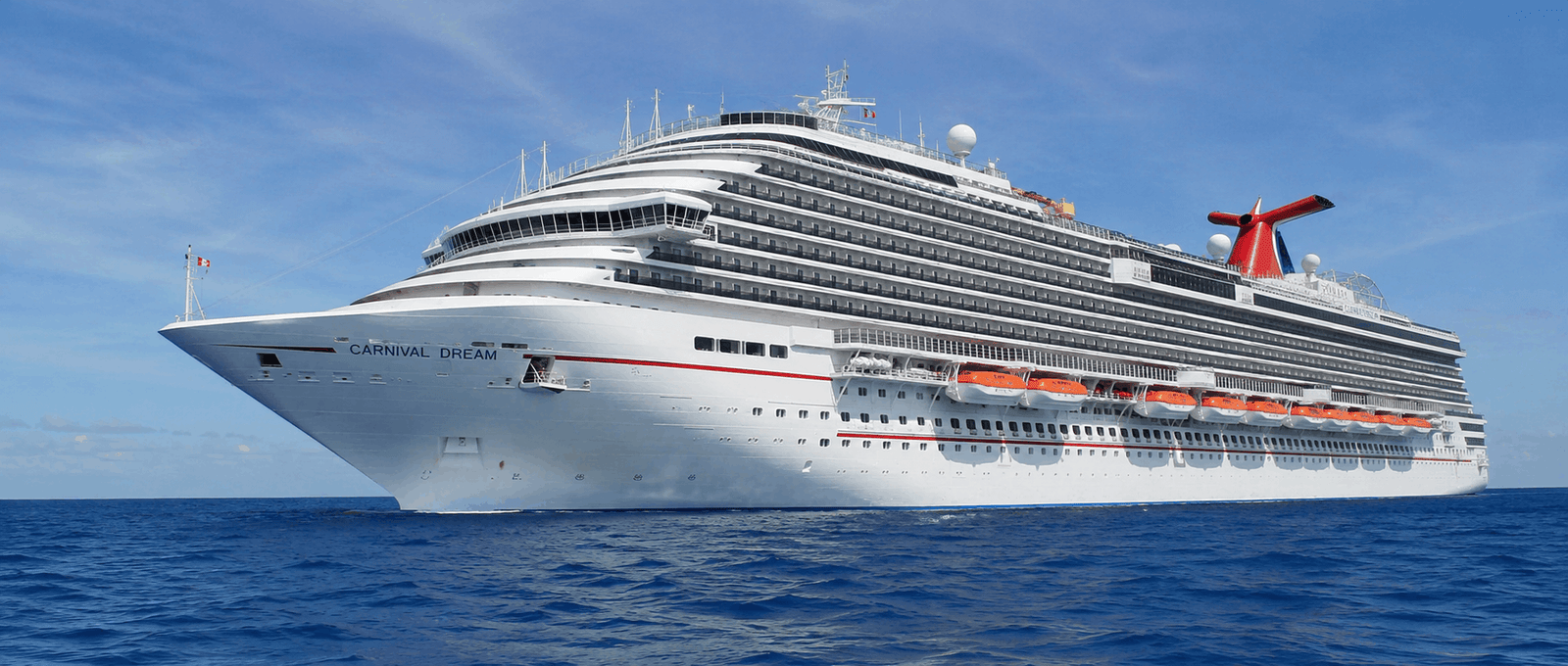
- Carnival Dream is the original Dream Class ship, launched in 2009, and remains one of Carnival’s larger vessels.
- The Dream Class includes four sister ships: Carnival Dream, Carnival Magic, Carnival Breeze, and Costa Diadema.
- Carnival Dream currently homeports primarily out of Galveston, Texas, sailing Western and Eastern Caribbean itineraries.
- The ship offers four cabin categories — interior, ocean view, balcony, and suite — suited to different budgets and travel styles.
- Dining ranges from included main dining rooms and casual venues to fee-based specialty restaurants like the onboard steakhouse and Bonsai Sushi.
- Family programming is a genuine strength, with Camp Ocean, Circle “C,” Club O2, and Carnival Water Works covering a wide age range.
- Ocean Plaza is the ship’s social hub, blending live music, casual dining, and nightlife in one flexible space.
- Carnival Dream underwent a scheduled drydock in early 2026, keeping the ship well maintained despite its 2009 build date.
- Compared to Vista and Excel Class ships, Dream Class offers a smaller but still full-featured experience, often at a better price.
- Pre-cruise planning tools like Seaya can help travelers connect with fellow passengers and plan port days before boarding.
Yes — Carnival Dream is a Dream Class ship, and in fact it’s the ship that started the class. Launched in 2009, Carnival Dream was the first vessel of Carnival Cruise Line’s Dream Class, a lineup that later grew to include Carnival Magic and Carnival Breeze.
This guide goes well beyond that headline answer. Below, you’ll find a full breakdown of what the Dream Class actually is, how Carnival Dream compares to newer ships, what to expect from cabins and dining, which activities are worth your time, who the ship suits best, and practical tips for making the most of your sailing.
What Is Carnival Dream?
Carnival Dream is a Carnival Cruise Line ship that entered service in September 2009, sailing its maiden voyage as a 12-day Grand Mediterranean cruise out of Rome. Built by Fincantieri in Monfalcone, Italy, at a cost of roughly $740 million, she was — at the time — the largest ship Carnival had ever operated, and briefly the largest cruise ship ever built in Italy, until Carnival Vista took that title in 2016.
Here’s the ship at a glance:
- Cruise line: Carnival Cruise Line
- Ship class: Dream Class (the lead ship of the class)
- Entered service: September 2009
- Gross tonnage: Approximately 130,000 GT
- Length: 1,004 feet
- Passenger capacity: 3,646 at double occupancy; up to roughly 4,631 at maximum capacity
- Crew: Approximately 1,367–1,369
- Decks: 13–15, depending on how you count passenger versus total decks
- Current homeport: Galveston, Texas (as of the 2025–2027 deployment)
Even though newer, larger ships like the Excel Class megaships have since taken over the “biggest and newest” spotlight, Carnival Dream still ranks among the larger vessels in Carnival’s fleet. She’s had periodic refurbishments over the years — including work in 2017 and 2021 that refreshed dining venues, bars, and public spaces — and most recently completed a scheduled drydock in Marseille in early 2026 for maintenance, hull work, and hotel upkeep. In other words, this is a mature ship that Carnival has continued to invest in, not a vessel that’s been left to coast on its original 2009 features.
Fun fact for trivia lovers: roughly 20 minutes of the 2011 film Alvin and the Chipmunks: Chipwrecked was filmed onboard Carnival Dream, which is a nice bit of pop-culture trivia if you’re sailing with kids who grew up on the franchise.
What Is the Dream Class?
To understand Carnival Dream, it helps to understand the class she started.
The Dream Class is a family of four sister ships built for Carnival Corporation & plc between 2008 and 2014: Carnival Dream, Carnival Magic, Carnival Breeze (all under the Carnival Cruise Line brand), and Costa Diadema (under the Costa Cruises brand). All four ships were ordered together in a roughly $3 billion package, share a nearly identical hull and general layout, and were built at Fincantieri’s Italian shipyards.
Why Carnival introduced the Dream Class
Before Dream Class, Carnival’s largest ships belonged to the Conquest Class, a lineup that had defined the brand’s mainstream fleet through the mid-2000s. As demand for bigger, more experience-rich ships grew across the cruise industry, Carnival needed a platform that could support more dining venues, more entertainment real estate, and more outdoor space without simply repeating the older ship formula. The Dream Class was the answer — larger, more complex, and designed around the idea that public spaces and dining variety were becoming just as important to guests as cabin comfort.
Main characteristics of the Dream Class
- Around 130,000 gross tons and roughly 1,004 feet in length
- A dedicated dining and entertainment hub called the Piazza (branded as Ocean Plaza on the Carnival ships), which brought together live music, casual seating, and food options in one open central space
- A half-mile wraparound promenade deck, giving guests a proper walking or jogging loop with ocean views
- Expanded waterpark facilities, including multiple slides — a first for Carnival’s largest ships at the time
- The line’s largest spa at the time of launch, at roughly 23,000 square feet
- Four “scenic” whirlpools cantilevered over the side of the ship, a design touch that became a signature Dream Class feature
What Makes Carnival Dream Different?
If you’ve sailed on a smaller or older Carnival ship before, here’s what tends to stand out on Carnival Dream.
Ship design and outdoor space
The half-mile Lanai Promenade on Deck 5 is one of the ship’s best features and often gets less attention than it deserves. It wraps around the ship with loungers, and enough width that it doesn’t feel cramped even at busy times.
Entertainment
Ocean Plaza is the connective tissue of the ship’s social scene — part bar, part live-music venue, part casual hangout, open late into the night. It’s a smart use of space because it doesn’t force you to choose between “bar” and “show,” it blends both.
Dining
Carnival Dream helped popularize several dining concepts that are now standard across the Carnival fleet, including Guy’s Burger Joint and BlueIguana Cantina. That variety, paired with sit-down specialty venues, gives the ship more dining range than you’d expect from a ship of its era.
Family facilities
Carnival WaterWorks on Carnival Dream includes multiple slides, among them a roughly 300-foot Twister slide and a giant tipping bucket that dumps water on the deck below — a guaranteed hit with younger kids.
Relaxation areas
The Cloud 9 Spa and its adjoining Serenity adult-only retreat give the ship a genuine escape zone, which matters on a vessel carrying more than 3,600 passengers at double occupancy.
Technology
Like the rest of the modern Carnival fleet, Carnival Dream supports the Hub App for daily schedules, dining reservations, onboard messaging, and account management, along with Wi-Fi packages for guests who want to stay connected.
Passenger experience
Overall, Carnival Dream tends to feel busy and social rather than quiet and refined — which is exactly what many Carnival passengers are looking for, and exactly what other Cruise travel should know going in.
Carnival Dream Cabins and Accommodation
Carnival Dream offers roughly 1,822 staterooms across four broad categories. Here’s how they break down and who each one suits best.
Interior cabins
The most budget-friendly option, interior cabins have no window or balcony. They’re compact but functional, typically fitting two guests comfortably (with some configured for three or four with upper berths or sofa beds). Best suited for: budget-conscious travelers, solo cruisers, and anyone who plans to spend most of their time out of the cabin exploring the ship.
Ocean View cabins
These add a window or porthole with a sea view, without the added cost of a balcony. Best suited for: travelers who want natural light and a view without paying balcony prices — a solid middle-ground option.
Balcony cabins
Carnival Dream’s balcony cabins include a private outdoor space, letting you enjoy your morning coffee or evening nightcap with an ocean view and some fresh air. Best suited for: couples, families wanting a bit more room to spread out, and repeat cruisers who’ve decided the balcony is worth the upgrade.
Suites
At the top of the accommodation ladder, suites offer significantly more square footage, upgraded bathrooms, and often preferred perks like priority embarkation. Some suite categories and select staterooms also carry Cloud 9 Spa amenities, giving guests exclusive access perks tied to the spa. Best suited for: travelers celebrating a special occasion, multi-generational families who want extra living space, or anyone who values extra comfort and doesn’t mind paying for it.
Cabin Type Comparison
| Cabin Type | View | Best For | Typical Price Tier |
|---|---|---|---|
| Interior | None | Solo travelers, budget cruisers | Lowest |
| Ocean View | Window/porthole | Light and view on a budget | Low–Mid |
| Balcony | Private balcony | Couples, families wanting outdoor space | Mid–High |
| Suite | Balcony + extra space | Special occasions, extra comfort | Highest |
Dining on Carnival Dream
Carnival Dream’s dining line-up spans included venues and specialty (extra-fee) restaurants, giving guests plenty of ways to structure their days at sea.
Main dining rooms
The ship’s two main dining rooms — commonly identified as the Scarlet and Crimson restaurants — serve breakfast and dinner with rotating menus, and guests can typically choose between traditional fixed dining times or Your Time Dining for more flexibility.
Buffet
The Lido Marketplace is the ship’s casual, all-day buffet, offering a wide spread of hot and cold items along with themed stations (Mongolian-inspired wok dishes and Indian-inspired offerings have appeared as rotating buffet themes on the ship).
Specialty restaurants
For an extra fee, guests can book the onboard steakhouse — the venue has operated under names including Chef’s Art Steakhouse and, more recently, Fahrenheit 555, following refurbishment updates — for a sit-down dinner featuring premium cuts of beef and seafood. Bonsai Sushi, added during a 2017 refurbishment, serves à la carte sushi and sashimi near Ocean Plaza.
Casual dining
Guy’s Burger Joint serves free, made-to-order burgers poolside, while BlueIguana Cantina offers made-to-order tacos and burritos with a build-your-own salsa bar. Pizzeria del Capitano rounds things out with pizza available around the clock at no extra charge.
Family dining
Between the buffet’s kid-friendly stations, always-available pizza, and casual burger and taco options, Carnival Dream makes it easy for families to grab meals on their own schedule without needing a reservation.
Dietary options
The main dining rooms can typically accommodate common dietary restrictions with advance notice, and gluten-free pizza is available at Pizzeria del Capitano. Flexibility is more limited at the buffet, so guests with specific dietary needs may want to stick closer to the main dining rooms for dinner.
Entertainment and Activities
Carnival Dream is built for guests who want plenty to do, day and night.
Live shows
The ship’s main theater hosts production shows, live music, and other headline entertainment throughout the cruise — check the Hub App’s daily schedule (the “Fun Times”) for what’s playing each night.
Comedy
The Punchline Comedy Club runs multiple shows nightly, split between family-friendly early sets and more adult-oriented late shows. There’s no cover charge or drink minimum, which makes it an easy, low-commitment way to spend an evening.
Water park
Carnival WaterWorks includes the Twister slide (around 300 feet long) and the Drainpipe slide, plus a large tipping bucket that periodically dumps water over the deck — a favorite photo-and-scream moment for kids.
Pools
The ship offers both indoor and outdoor pool areas, giving guests options regardless of weather or itinerary.
Spa
Cloud 9 Spa spans roughly 23,000 square feet and includes a thermal suite, hydrotherapy pool, and a full menu of spa treatments (at additional cost).
Fitness
A fitness center with cardio and weight equipment is available for guests who want to keep up a workout routine at sea, and the Lanai Promenade doubles as a scenic walking or jogging loop.
Kids clubs
Camp Ocean is Carnival’s youth program for younger children, organized by age group with supervised, structured activities.
Teen clubs
Circle “C” serves guests aged 12–14, while Club O2 is reserved for teens aged 15–17, offering music, movies, video games, and teen-only events without younger kids or parents around.
Nightlife
Between Ocean Plaza’s live music, the Liquid Nightclub-style dance venue, RedFrog Rum Bar, BlueIguana Tequila Bar, Alchemy Bar’s craft cocktails, and Sam’s Piano Bar, there’s a wide spread of nightlife styles to choose from depending on your mood.
Carnival Dream Itineraries
Carnival Dream currently sails primarily from Galveston, Texas, as part of Carnival’s 2025–2027 deployment plan, though homeports and itineraries can shift over time as Carnival rebalances its fleet.
Typical cruise lengths
Sailings from Galveston include 6-, 7-, and 8-day itineraries, along with longer 14-day Carnival Journeys cruises for travelers who want an extended trip.
Popular destinations
Western and Eastern Caribbean itineraries are the ship’s bread and butter, with recurring stops at destinations like Cozumel, Belize, and Mahogany Bay (Roatán/Isla Roatán, Honduras).
Caribbean sailings
Longer Carnival Journeys itineraries extend further into the Eastern and Southern Caribbean, adding ports such as Ocho Rios (Jamaica) and Barbados to the rotation.
Seasonal itineraries
Carnival periodically updates featured stops to include newer private destinations, such as Half Moon Cay and Celebration Key, as those experiences expand.
Because itineraries and homeports change from season to season, always confirm the current schedule directly with Carnival or your travel advisor before booking.
Is Carnival Dream Good for Families?
Yes — Carnival Dream is generally considered one of the more family-friendly ships in the Carnival fleet, and that reputation is well earned.
Families with young children will appreciate Camp Ocean, which provides a supervised, age-appropriate environment where kids can make friends and stay active. WaterWorks also keeps them entertained on sea days, giving parents some extra downtime.
Teenagers have dedicated spaces of their own thanks to Circle “C” and Club O2. These clubs are organised by age, ensuring younger teens aren’t grouped together with older ones.
Parents benefit from flexible youth programs and convenient casual dining options, including pizza, burgers, and tacos available throughout the day. Carnival also offers a paid late-night babysitting service for children aged 6 months to 11 years.
Grandparents and other older family members can relax in spacious suites or balcony cabins while enjoying quieter areas such as Serenity and the spa. At the same time, the ship offers plenty of lively family-friendly spaces, allowing everyone to enjoy the cruise at their own pace.
The short version: if you’re traveling with a mixed-age group, Carnival Dream’s layout genuinely helps different generations enjoy the cruise on their own terms, then regroup for dinner.
Is Carnival Dream Good for Couples and Solo Travelers?
Carnival Dream isn’t marketed as a couples-only or luxury ship, but it works well for both couples and solo travelers who know what to expect.
Relaxation: The Serenity adult-only retreat and Cloud 9 Spa give couples a way to carve out quiet time away from the ship’s busier, family-oriented areas.
Dining: Specialty dining venues like the steakhouse and Bonsai Sushi offer a nicer, quieter setting for a date-night dinner than the buffet or casual grab-and-go spots.
Entertainment: Evening entertainment — comedy shows, live music at Ocean Plaza, the casino, piano bar sing-alongs — gives couples and solo travelers plenty of ways to spend an evening without needing a big group.
Social opportunities: For solo travelers specifically, communal spaces like Ocean Plaza and the casino bar tend to be where organic conversations happen, though Carnival Dream doesn’t currently offer a dedicated solo-traveler cabin category the way some newer ships do.
The honest takeaway: couples looking for a lively, mid-priced vacation will likely enjoy Carnival Dream. Couples specifically seeking an intimate, adults-only atmosphere for the entire cruise might be happier on one of Carnival’s designated adults-only sailings or a smaller ship.
Pros and Cons of Carnival Dream
Pros:
- Strong dining variety for a ship of its size, including popular specialty venues
- Genuinely good outdoor space, including the half-mile Lanai Promenade
- Well-rounded family facilities, from WaterWorks to age-segmented teen clubs
- Ocean Plaza is a standout, flexible entertainment hub
- Regular refurbishments (including a 2026 drydock) have kept the ship feeling maintained
- Generally competitive pricing compared to newer megaships
Cons:
- Not as visually striking or feature-dense as Carnival’s newest Excel Class ships
- Can feel crowded in peak pool areas and at popular Cruise Dining venues during busy sailings
- Fewer solo-traveler-specific accommodations than some newer ships
- Older ship systems (Wi-Fi speed, some cabin fittings) may show their age compared to brand-new tonnage
- Itineraries and homeports can shift between seasons, so long-term planning requires checking current schedules
Dream Class vs Other Carnival Ship Classes
Here’s how Carnival Dream and the Dream Class stack up against Carnival’s Vista Class and Excel Class ships — the two lineups that followed it.
| Feature | Dream Class (e.g., Carnival Dream) | Vista Class (e.g., Carnival Vista, Horizon) | Excel Class (e.g., Mardi Gras, Celebration) |
|---|---|---|---|
| Introduced | 2009 | 2016 | 2020 |
| Approx. Gross Tonnage | 130,000 GT | ~133,500 GT | ~180,800 GT |
| Approx. Capacity (double occ.) | 3,646 | ~3,930 | ~5,282 |
| Signature Dining | Guy’s Burger Joint, BlueIguana Cantina, Bonsai Sushi | Adds venues like Bonsai Teppanyaki, Big Chicken (on some ships) | Expanded dining “neighborhoods,” Emeril’s, Big Chicken, Fahrenheit 555 |
| Signature Entertainment | Ocean Plaza, Punchliner Comedy Club | IMAX-style Thrill Theater, SkyRide | RollGlass roller coaster (BOLT), Ultimate Playground |
| Family Appeal | Strong | Strong | Very strong, most family features |
| Technology | Hub App, standard Wi-Fi packages | Enhanced connectivity, upgraded AV | LNG-powered, most tech-forward |
The general pattern: each successive class is bigger, adds more dining “neighborhoods,” and layers in newer entertainment concepts. Dream Class ships remain a strong middle ground — large enough to offer real variety, but not so massive that navigating the ship becomes a project in itself.
Tips for First-Time Carnival Dream Passengers
Booking cabins: Book balcony or suite categories as early as possible if location matters to you — midship Best Cruise Cabin tend to minimize motion and noise from nearby venues.
Dining reservations: Reserve specialty restaurants (steakhouse, teppanyaki-style venues if available, sushi) through the Hub App as soon as you board, or in advance if Carnival’s app allows pre-cruise booking — popular time slots fill up fast.
Shore excursions: Book excursions in port cities like Cozumel or Mahogany Bay ahead of time if you have a specific activity in mind, especially for popular options like snorkeling or beach clubs.
Packing: Bring layers — public spaces and dining rooms can run cool with air conditioning, even in warm-weather Caribbean itineraries.
Arrival day: Arrive at the terminal with your boarding time in mind (Carnival uses staggered check-in windows) to minimize wait times, and consider having lunch onboard once you board rather than rushing to unpack first.
Sea days: Claim pool or Serenity loungers early if you want a guaranteed spot, and check the Fun Times schedule the night before so you don’t miss activities you’re interested in.
How Seaya Helps Carnival Dream Travelers Before Sailing
One of the most underrated parts of cruise planning happens before you ever step onboard — and that’s where Seaya comes in.
Cruising on a ship the size of Carnival Dream means sharing the experience with thousands of other passengers, many of whom are sailing the exact same itinerary as you. Seaya helps travelers connect with fellow Carnival Dream passengers ahead of time, so you’re not starting from scratch once you board. Whether you’re hoping to find people to split a shore excursion with in Cozumel, join a group for trivia night, or simply meet a few familiar faces before the gangway even opens, Seaya makes that kind of pre-cruise connection possible.
Beyond one-on-one connections, Seaya also functions as a space for building community around specific sailings — letting travelers share tips about the ship, compare notes on dining reservations, and coordinate plans for port days. For families sailing with kids, that might mean connecting with other parents ahead of time; for solo travelers, it can mean lining up company for dinner on the first night. None of this replaces what Carnival itself offers onboard — it simply gives travelers a head start on the social side of cruising, so the fun starts before the ship even leaves port.
Is Carnival Dream Worth Booking?
For most travelers, yes — Carnival Dream remains a solid choice, particularly for families, first-time cruisers, and anyone looking for a lively, moderately priced Caribbean vacation.
Value: Because it’s not one of Carnival’s newest ships, Carnival Dream often carries more competitive pricing than the Excel Class megaships, while still offering a strong range of dining and entertainment.
Experience: The ship delivers on the essentials — good food variety, engaging family programming, solid outdoor space, and enough nightlife and entertainment options to fill a week-long itinerary without repeating yourself.
Best traveler types: Families, first-time cruisers, budget-conscious travellers who still want a full-featured ship, and repeat Carnival cruisers who enjoy the brand’s casual, high-energy style.
Overall recommendation: If you’re deciding between Carnival Dream and one of Carnival’s newest ships, expect a slightly smaller, slightly less flashy — but still thoroughly enjoyable — version of the modern Carnival experience, typically at a better price point.
FAQs
1. Is Carnival Dream a Dream Class cruise ship?
Yes. Carnival Dream is the lead ship of Carnival’s Dream Class, which also includes Carnival Magic, Carnival Breeze, and (under the Costa brand) Costa Diadema.
2. What is the Dream Class?
The Dream Class is a group of four sister ships built by Fincantieri between 2008 and 2014 for Carnival Corporation & plc, known for their larger size, expanded dining variety, and the introduction of the Ocean Plaza/Piazza concept.
3. When was Carnival Dream launched?
Carnival Dream was floated out in October 2008 and entered service in September 2009, with her maiden voyage sailing as a 12-day Grand Mediterranean cruise from Rome.
4. Where does Carnival Dream sail?
As of the 2025–2027 deployment, Carnival Dream sails primarily from Galveston, Texas, offering 6-, 7-, and 8-day Western and Eastern Caribbean itineraries, along with longer 14-day Carnival Journeys sailings.
5. Is Carnival Dream good for families?
Yes. The ship offers a full range of age-segmented youth programs (Camp Ocean, Circle “C,” Club O2), a dedicated water park, and casual dining options that make it easy to keep kids fed and entertained.
6. What are the best cabins on Carnival Dream?
It depends on your priorities: interior cabins are the most budget-friendly, ocean view cabins add natural light, balcony cabins offer private outdoor space, and suites provide the most room and added perks for special occasions.
Conclusion
So, is Carnival Dream a Dream Class cruise ship? Yes — it’s the ship that started the class, and more than fifteen years later, it’s still doing the job well. That’s not a small thing in an industry that keeps launching bigger, shinier vessels every year or two. Carnival Dream doesn’t try to compete with the Excel Class megaships on scale or spectacle. What it offers instead is a well-rounded, dependable cruise: enough dining variety to keep a picky family happy, enough entertainment to fill a week without repeats, and enough outdoor space that the ship never feels as crowded as its passenger count suggests.
Where it really earns its reputation is in the everyday details — a promenade deck long enough to actually walk, a waterpark that keeps kids busy for hours, a comedy club with no cover charge, an adults-only retreat that’s easy to escape to. None of these are headline-grabbing features on their own, but together they add up to a ship that a lot of repeat cruisers keep coming back to, year after year.
If you’re weighing Carnival Dream against a newer ship, the real question isn’t which one has more slides or bigger screens. It’s what kind of week you actually want. If that’s a lively, easygoing Caribbean cruise with a good mix of family time and grown-up time — without the price tag of Carnival’s newest tonnage — Carnival Dream is a genuinely smart pick. And with tools like Seaya to help you connect with fellow passengers before you even pack your bags, the cruise can start feeling like a vacation with friends long before the ship pulls out of Galveston.

For Christian, Seaya is the culmination of a career-long obsession with innovation. By leveraging his deep technical expertise to dismantle legacy constraints, Christian is transforming the way travelers connect at sea. He is dedicated to keeping Seaya at the vanguard of the “what’s next,” proving that the most powerful innovations happen when world-class tech meets a completely new frontier.
SUBSCRIBE NOW
Your Next Cruise Adventure Awaits
- News & articles
Related Blog