Key Takeaways
- A real solo cabin almost always beats paying a single supplement on a standard room — check for one before you look at anything else.
- Bigger ships give you more chances to find your crowd; smaller ships build familiarity faster. Pick based on how you actually recharge, not what looks impressive.
- Request a shared table at dinner. It’s the single easiest thing you can do to meet people without any extra effort.
- Book at least one ship-organized excursion — a small group thrown together for a few hours is one of the most reliable ways to have a real conversation.
- Budget past the base fare. Gratuities, drinks, Wi-Fi, and insurance add up, and insurance especially matters more when you’re traveling without backup.
- Caribbean sailings are the easiest first solo trip; Alaska and the Mediterranean reward travelers who want something a bit more specific.
- Not every ship in a cruise line’s fleet has the same vibe — research the specific ship, not just the brand.
- Trust the same judgment you’d use on any solo trip. Cruising alone isn’t riskier — it’s just travel, on a boat.
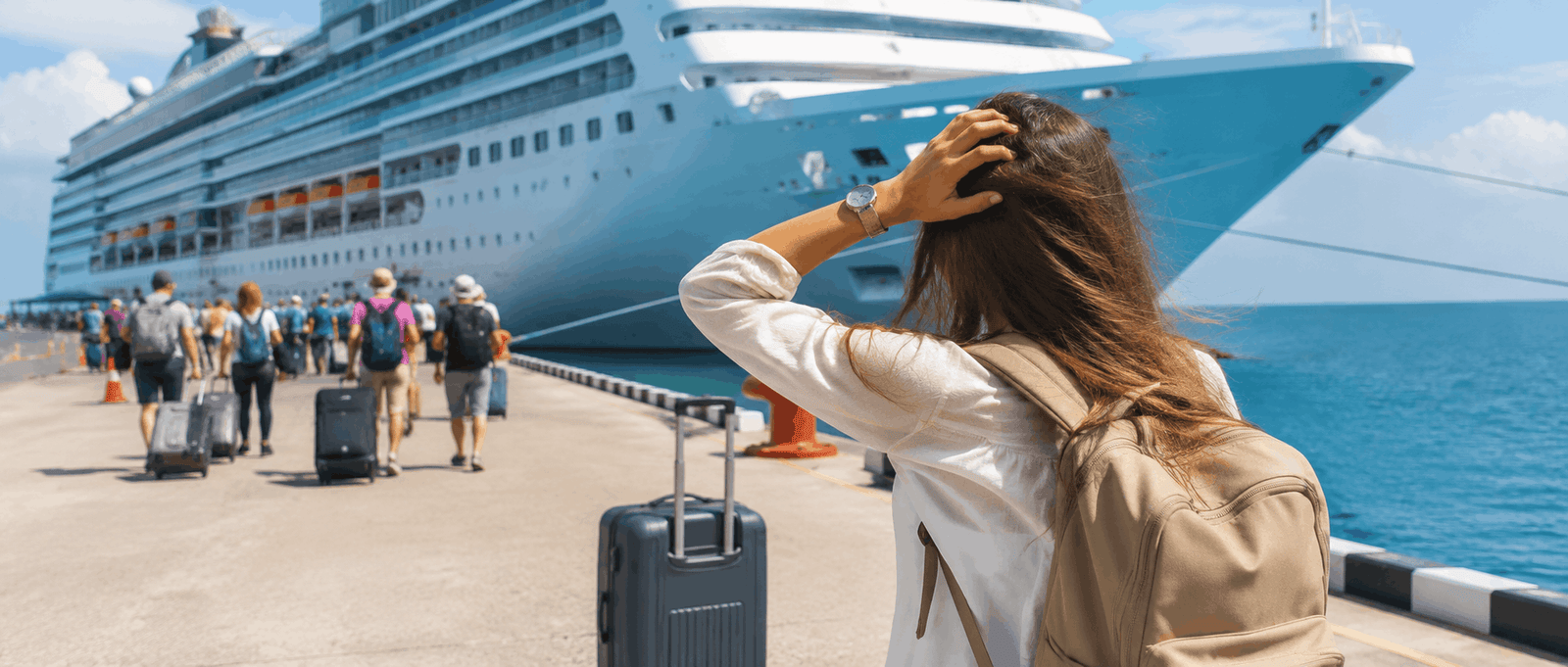
I still remember the first time I watched someone board a cruise alone. She had one suitcase, a paperback tucked under her arm, and this look on her face that was half excitement, half “am I really doing this.” A crew member greeted her, called her by name, and just like that she was in. No awkward hovering at the terminal, no waiting on anyone else to show up. She just walked on.
That image has stuck with me because it captures something true about solo cruising that doesn’t always come across in the brochures: it’s less intimidating than people expect, but it does require picking the right ship.
So let’s talk about what actually matters.
What “best” really means here
People ask me all the time which cruise line is best for solo travelers, as if there’s one correct answer sitting somewhere in a spreadsheet. There isn’t. The best solo cruise is the one that matches your personality and your wallet — not the one with the flashiest ad campaign.
That said, a few things consistently separate a solo-friendly cruise from one that just tolerates solo travelers. Does the ship have actual solo cabins, or will you be stuck paying almost double for a room built for two? Is there real programming — trivia, classes, meetups — designed to get people talking, or is it just a pool and a buffet? Are the dining rooms set up so you can share a table if you want to, without it feeling forced? These questions matter more than which cruise line has the biggest water slide.
Solo cabins are worth chasing down
Here’s something that annoyed me the first time I looked into cruising alone: most fares assume two people are splitting a cabin. Book that same cabin by yourself, and the cruise line adds what’s called a single supplement — sometimes close to the cost of a second passenger, even though there isn’t one.
A handful of ships have gotten smarter about this. Norwegian Cruise Line, for instance, built dedicated solo studio cabins on several of its ships years ago, along with a small lounge just for solo guests. Other lines, like MSC, have been adding similar cabins on newer ships. These rooms tend to be compact — think efficient, not spacious — but they’re priced fairly, and that alone can make a real difference in whether a solo cruise feels like a treat or a financial stretch. If you want a closer look at how solo cabin pricing stacks up across cruise lines, [How to Find the Right People for Your Cruise] touches on this alongside the social side of booking solo.
If a ship doesn’t have solo cabins, it’s still worth checking whether the line runs solo-friendly sales, since supplements do get reduced or waived occasionally. It’s just not guaranteed, so don’t book assuming it’ll happen.
Bigger ship or smaller ship — it changes everything
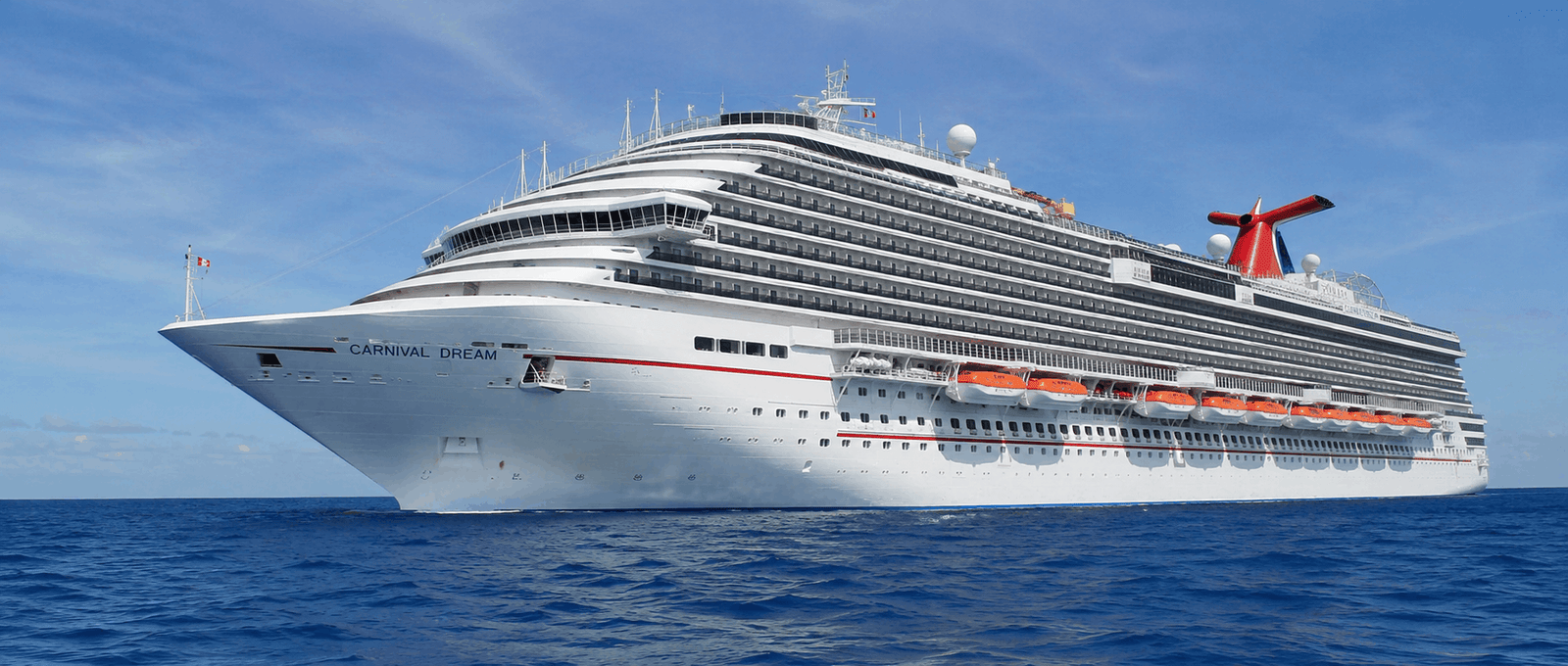
I’ll be honest about my own bias here: I like a bigger ship when I’m traveling alone, mostly because there’s always something happening, and with thousands of people aboard, the odds of finding your crowd go up. Royal Caribbean’s larger ships are a good example — there’s enough going on that you’re rarely stuck for options.
But I’ve talked to plenty of solo travelers who feel the opposite. On a smaller ship, you start recognizing faces by day two. The same people show up at breakfast, the same faces are at the evening show, and that familiarity builds into actual conversation faster than it does on a ship the size of a small city. Holland America and Oceania tend to attract that crowd — people who’d rather have a handful of real connections than a hundred passing ones.
Neither approach is wrong. It just depends on whether you recharge in a crowd or in a smaller circle.
A quick word on cabins beyond “solo”
If solo cabins aren’t an option on the ship you want, you’re choosing between interior, ocean-view, and balcony rooms like everyone else. My honest take: unless you plan to spend a lot of time in your room, an interior cabin is usually the smartest financial call — you’ll be out at activities and meals most of the day anyway. A balcony is a nice indulgence if you want a private space to decompress after a day of socializing, which, on a solo trip, can matter more than people expect. Suites, unless money genuinely isn’t a factor, rarely earn their price tag for someone traveling alone.
The cost conversation nobody loves
I’m not going to throw made-up numbers at you, because pricing shifts constantly by ship, season, and how far in advance you book. What I will say is: budget for more than the fare. Gratuities get added automatically. Specialty dining and drink packages add up fast if you’re not careful. Wi-Fi isn’t usually included. And travel insurance, which is easy to skip, matters more when you’re traveling without someone to help sort things out if something goes wrong.
Where to actually go
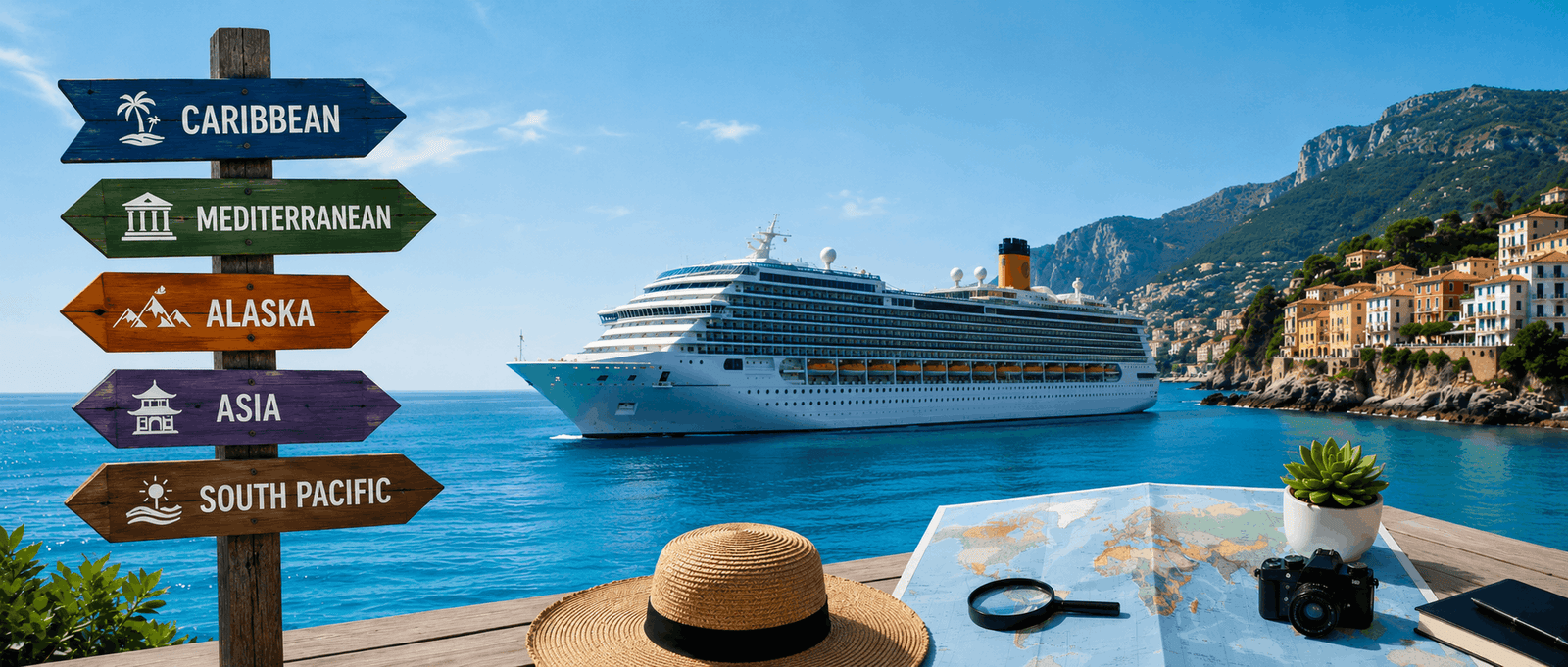
Caribbean cruises are the easiest entry point for a first solo trip — shorter sailings, frequent departures, warm weather, and a huge range of price points. If you’re drawn to history and food more than beaches, the Mediterranean tends to reward solo travellers who like wandering old port towns on their own schedule.
Alaska pulls in a more outdoorsy, curious crowd, and its small-group excursions — glacier hikes, wildlife tours — are some of the easiest places to strike up a real conversation. And if you’re after something less conventional, river cruises through Europe move slower and skew a bit older, which suits people who’d rather talk over a long dinner than dance the night away.
For a broader breakdown of matching a region to your travel style, How to Choose the Best Destination for Your Cruise Holiday is worth a look, and if you want to compare official itinerary details directly, most major lines publish current routes on their own Royal Caribbean’s destination pages.
Actually meeting people (this is the part that matters)
Here’s the thing nobody tells you before your first solo cruise: the ship does a lot of the social work for you, if you let it. Request a shared table at dinner instead of a table for one — this single decision probably does more for your social life onboard than anything else. Show up to trivia. Take the dumb dance class. Say yes to a ship-organized excursion instead of wandering a port alone, because a group excursion basically guarantees you’ll end up talking to someone.
And increasingly, that social groundwork can start before you even board. Cruise-specific Facebook groups have been around for years, where people going on the same sailing find each other and swap plans. More recently, dedicated cruise social apps have popped up to do the same thing in a more organized way — Seaya is one of them. The idea is straightforward: you can see who else is booked on your sailing, find people with similar interests, and have a conversation going before embarkation day instead of hoping you get lucky at the bar on night one.
I don’t think that replaces the spontaneous stuff — some of the best cruise friendships I’ve heard about started over a random comment at the pool. But having one or two people to look for when you walk on board takes a real edge off, especially the first time you’re doing this alone. If you’re curious how this plays out for groups too, Why Cruise Friendships Last Long After the Vacation Ends] is a good companion read on why these connections tend to stick.
Is it actually safe?
Yes, with the same common sense you’d use traveling solo anywhere. Meet new people in public spaces first. Keep your passport and boarding documents in the cabin safe. Let someone know your general excursion plans if you’re heading off independently in a port. None of this is cruise-specific paranoia — it’s just the same judgment you’d use on any solo trip, applied to a boat.
Mistakes I see people make
Booking too late and missing out on solo cabins. Assuming every ship in a cruise line’s fleet has the same social vibe (they don’t — it varies by ship, sometimes a lot). Skipping the daily activity sheet entirely and then wondering why they haven’t met anyone by day three. And forgetting travel insurance, which is a small cost against a real risk when you’re traveling without backup. For a fuller rundown of the missteps that trip up cruisers generally, not just solo travellers, Cruise Mistakes to Avoid: What Not to Do on a Cruise] is worth bookmarking before you pack.
If you’re trying to decide
Start with your budget, including whatever the single supplement or solo cabin adds. Pick a destination that matches the kind of trip you want, not just the cheapest flight. Decide if you want a short trial run or a longer sailing where friendships have time to develop. Then look specifically at solo cabin availability and the ship’s social programming — not just the cruise line’s general reputation. And if it’s your first time going alone, consider getting a head start on the social side before you even leave home.
Frequently Asked Questions
Which cruise line is best for solo travellers?
There isn’t one universal answer. Norwegian and MSC stand out for dedicated solo cabins, Royal Caribbean Cruises for sheer volume of activities, and Holland America or Oceania for a quieter, more conversational crowd. The right one depends on your budget and how social you want the trip to be.
What is a single supplement on a cruise?
It’s the extra charge added when a solo traveler books a cabin priced for two people. Since most fares assume double occupancy, going alone often means paying close to what a second passenger would have cost.
Do any ships actually have solo cabins?
Yes, though not many, and not on every ship. Norwegian popularized them years ago, and other lines like MSC have added similar rooms on newer ships. They’re compact, but priced fairly, which usually makes them worth chasing down.
Is a solo cruise worth it if I’ve never travelled alone before?
For a lot of first-timers, yes — a cruise removes most of the logistics (transportation, meal planning, daily itinerary) that make solo travel stressful on land. A shorter Caribbean sailing is generally the easiest way to test it out.
How do I actually meet people on a cruise if I’m traveling alone?
“Request a shared dinner table. Join a trivia game or group class. Book at least one ship-organized excursion.”These small, structured settings tend to do more for meeting people than just wandering the deck hoping for a conversation.
Conclusion
There’s no single “best” solo cruise, no matter how many lists claim otherwise. The best choice depends on your budget and pace. It also depends on how much company you want each day. That answer is different for everyone.
The groundwork stays the same. Check for solo cabins before booking. Understand what you’re really paying for. Look at the ship’s social programs, not just the brand’s reputation. Don’t leave the social side entirely to chance once you’re aboard.
That last part is worth taking seriously. A shared table at dinner can help. So can a trivia night or group excursion. These activities do much of the work once you’re on the ship.
But there’s no reason to wait until embarkation day. You can start meeting people before you sail. Join a Facebook group for your specific sailing. You can also use a Seaya built for exactly this.
Getting a head start on who else is going means you’re not walking up the gangway alone. The trip is still yours. You set the schedule and choose your pace. It just doesn’t have to start from zero.
If you’re still deciding where to go, read [How to Choose the Best Destination for Your Cruise Holiday. It can help you match a region to your travel style. [Cruise Mistakes to Avoid: What Not to Do on a Cruise] covers common pitfalls too. These go beyond the solo-specific mistakes discussed here.
If the social side of cruising interests you, there’s more to explore. Why Cruise Friendships Last Long After the Vacation Ends is worth a read.For planning and safety information, check reliable sources before booking. The CDC’s cruise ship travel guidance is a useful starting point. The Cruise Lines International Association is another solid, independent resource.

For Christian, Seaya is the culmination of a career-long obsession with innovation. By leveraging his deep technical expertise to dismantle legacy constraints, Christian is transforming the way travelers connect at sea. He is dedicated to keeping Seaya at the vanguard of the “what’s next,” proving that the most powerful innovations happen when world-class tech meets a completely new frontier.
SUBSCRIBE NOW
Your Next Cruise Adventure Awaits
- News & articles
Related Blog