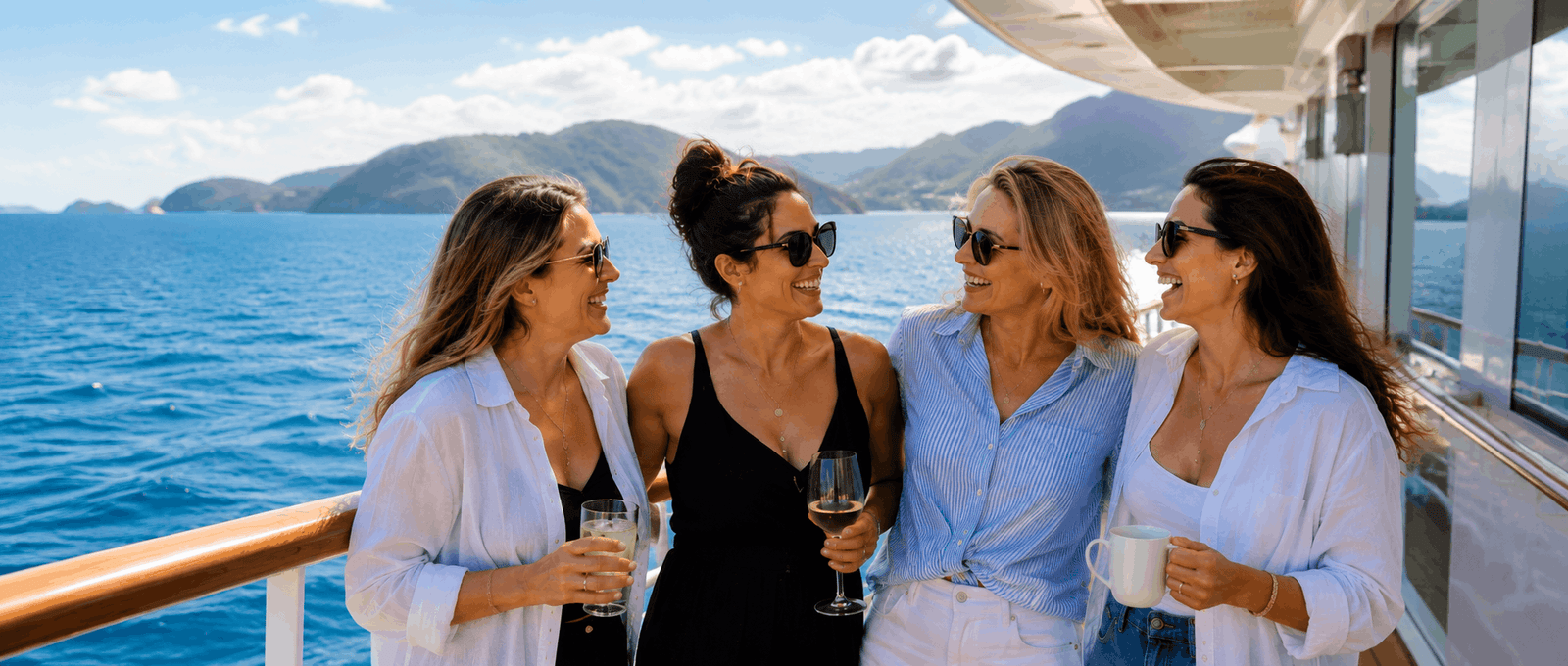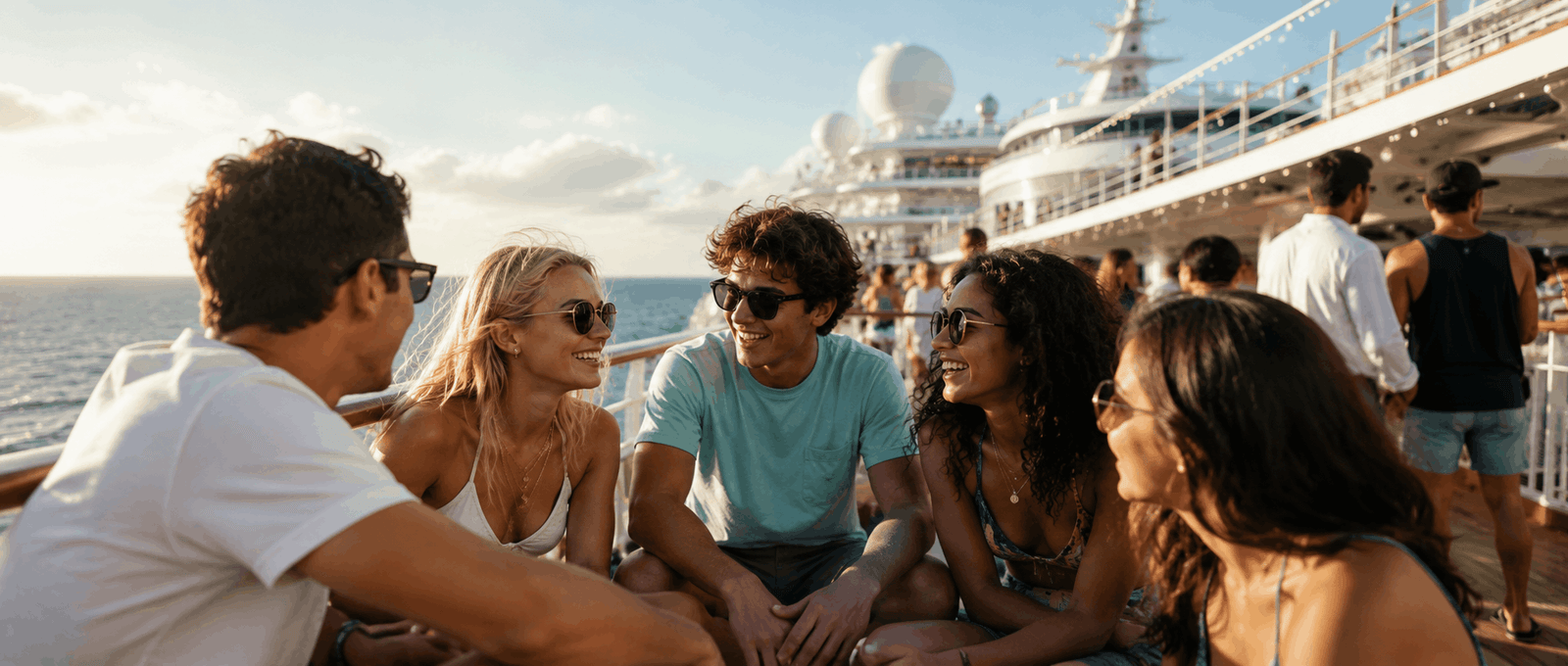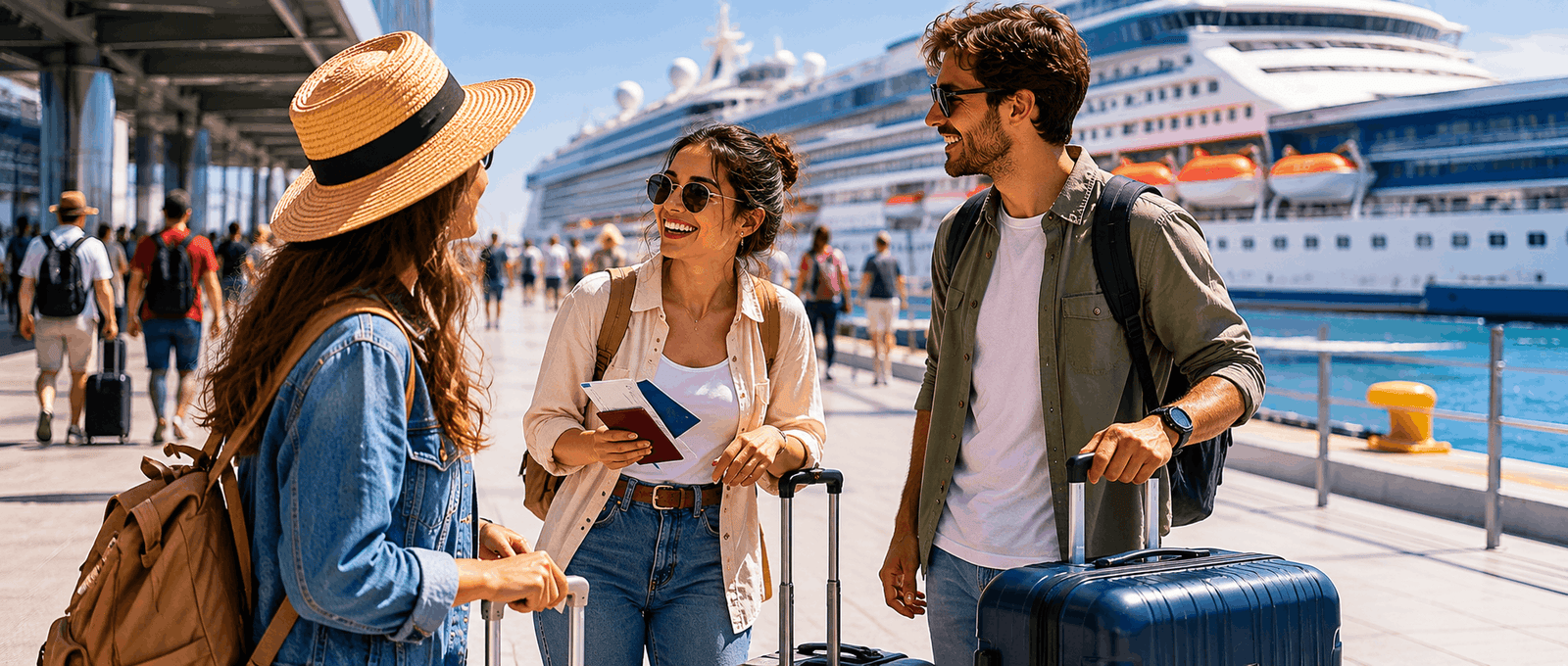
Introduction: The Solo Traveller’s Biggest Cruise Problem
You have booked the cruise. The cabin is paid for. The countdown is on. But one thought keeps quietly nagging at you. What if you spend the whole week surrounded by couples and families? What if you end up eating alone every night? That anxiety is more common than cruise lines will ever admit. It is also completely avoidable. Today, more travelers are choosing to find a cruise partner before departure, making it easier to enjoy shared experiences, meaningful conversations, and new friendships from day one.
The real trick to a great cruise is not the itinerary or the cabin category. It is the people you share it with. Travelers who figure out how to meet people on a cruise before departure arrive at the port already relaxed. They already have a dinner companion. They already have someone to split a shore excursion with. That small head start changes everything about how the trip feels.
This guide walks you through exactly how to find a cruise partner in 2026. We cover the real costs of sailing solo, the evolution of how passengers connect, and the smartest tools available today. We also explain why dedicated platforms make the process safer and far more effective than leaving it to chance onboard.
Quick note: This is not a generic travel tips article. Every strategy here is built around one goal: helping you walk up that gangway already knowing at least one person on the ship.
Why Solo Cruising Costs So Much More Than It Should
Here is the financial reality that cruise lines do not advertise. Most ships price their cabins for two people sharing. A solo traveler occupying that same cabin often pays what is called a single supplement. That fee can add 50 to 100 percent to your base fare overnight. A cruise that costs £1,200 per person in a couple suddenly costs a solo traveler £1,800 to £2,400 for the exact same room.
The single supplement has always been the quiet scandal of the cruise industry. Some lines have started offering occasional solo cabins, but they are limited, fill quickly, and rarely appear on the best sailings. For most routes on most ships, the supplement is simply a tax on traveling alone. According to Which? Travel, solo cruise travelers pay an average of 64 percent more per night than couples on equivalent cabins.
Finding a compatible cruise companion before sailing eliminates that cost entirely. You split the double-occupancy fare equally. The money you save goes directly into the experiences that actually make cruising worth doing. A specialty restaurant booking. A private guided tour at a port stop. A spa afternoon you would otherwise skip to save funds.
Beyond the money, having a cruise buddy improves safety in ways that matter. Navigating unfamiliar ports alone carries real risks. Having one trusted person who knows your plans, carries a copy of your documents, and checks in if you are late back to the ship is genuinely valuable. The UK Foreign Commonwealth & Development Office consistently recommends traveling with a companion when visiting less familiar destinations.
The Real Benefits of Cruising with Friends You Made Before Sailing
Money aside, cruising with friends simply produces better holidays. That is not sentiment. It is backed by how human memory and enjoyment actually work. Psychologists have long studied what makes experiences satisfying. Shared moments are consistently rated higher than solo ones, even when the activity itself is identical. A sunset from the top deck hits differently when you are watching it with someone who is equally delighted.
Pre-sailing connections deepen that effect further. When you find a cruise partner online weeks before departure, you arrive at the ship with a shared story already in progress. You have talked about the itinerary together and have debated which specialty restaurant to try first. You have probably already laughed together over something. That history makes the onboard relationship feel immediately comfortable rather than tentative.
For first-time cruisers especially, having a pre-arranged companion removes the anxiety of embarkation day. That first afternoon onboard is chaotic. Thousands of passengers are finding their cabins, attending safety drills, and figuring out how the ship works. Navigating all of that alone is stressful. Navigating it alongside a friendly face you already know turns it into an adventure.
There is also a practical benefit to find a cruise partner when it comes to shore excursions. Private tours are almost always better than ship-organised group excursions. They are more flexible, more personal, and often cheaper per person. But private guides typically require a minimum booking of two or four people. A confirmed cruise friend makes those better experiences accessible.
Traveler insight: Research from Cruise Lines International Association (CLIA) shows that passengers who travel in groups of two or more consistently report higher overall satisfaction scores than solo travelers on identical itineraries.
How Passengers Meet People on a Cruise: From Forums to Modern Apps
The methods travelers use to make friends on a cruise before departure have changed dramatically over the past decade. Each generation of tools has improved on the last. Understanding that evolution helps you choose the right approach for your upcoming sailing.
Phase One: Roll Calls and Travel Forums
For years, dedicated cruise forums were the main place to find fellow passengers. Sites like Cruise Critic hosted threads called roll calls. Passengers searched for their ship name and departure date and posted an introduction. Others on the same sailing would reply. Organic conversations formed around excursion planning, dining preferences, and informal meetups.
Roll calls worked reasonably well for practical coordination. They still exist and are still useful for specific tasks. But they were never designed for real social matching. Finding a cruise partner from a long text thread required patience and luck. There was no filtering by age, interest, or travel style. Privacy was minimal. The experience felt more like reading a noticeboard than building a friendship.
Phase Two: Social Media Passenger Groups
Facebook groups dedicated to specific sailings replaced forums for many travelers. They were faster, more visual, and felt more like normal social interaction. Passengers shared cabin photos, countdown posts, and packing tips. A sense of community built up in the weeks before departure.
The downsides became apparent quickly. Open Facebook groups offered almost no privacy protection. Unverified profiles made it hard to know who you were actually speaking with. Spam and self-promotion often drowned out genuine conversation. And because the groups lived inside a general social network, they attracted people with very different intentions — not all of them focused on friendly travel planning.
Phase Three: Dedicated Cruise Social Platforms
The most effective way to find cruise partner connections today is through a platform built specifically for that purpose. Dedicated apps solve the core problems of both forums and Facebook at once. They verify that users are real people with real upcoming bookings. They allow interest-based matching so you find someone whose travel style actually aligns with yours. And they protect your privacy by keeping communication within a secure environment until you choose to share more.
This is exactly where Seaya has built a genuinely useful product. Rather than adapting a general social network for cruise use, Seaya was designed from the ground up for maritime travel communities. Passengers create profiles tied to their actual upcoming voyages. The platform surfaces compatible matches based on shared sailing dates, cruise lines, interests, and travel preferences. You find people who are literally on the same ship, heading to the same ports, at the same time as you.
The Seaya app handles conversation privately within its own environment. You can build a real relationship with a potential cruise-mate without exchanging phone numbers or linking personal social accounts. That layer of protection matters, especially for solo female travelers and those new to connecting with strangers online. You can learn more about how the matching process works at seaya.io.
What to Look for When You Want to Find a Cruise Partner
Not every fellow passenger will make a good travel companion. Compatibility matters more on a ship than in most other travel contexts. You are sharing a relatively contained environment for several days. A mismatch in expectations or habits can turn what should be a holiday into a source of friction. Thinking clearly about what you actually need from a cruise companion before you start looking saves a lot of trouble later.
Travel Pace and Daily Rhythm
Some travelers want every hour of every port day filled with activity. Others want to spend mornings at sea slowly and take afternoons ashore at a relaxed pace. Neither approach is wrong, but pairing a hyper-scheduled organizer with a spontaneous free spirit is a recipe for frustration. Be honest about your own rhythm first. Then look for someone who describes theirs in similar terms.
Budget Alignment
Money conversations feel awkward before a holiday. Having them before you commit to sharing a cabin is far less awkward than having them when the specialty restaurant bill arrives. Be upfront about your daily budget for dining, drinks, and excursions. A good cruise-mate will appreciate the honesty. According to TripAdvisor’s cruise research, budget mismatches are the most commonly cited source of conflict between cruise travel companions.
Social Energy Level
Cruises offer extraordinary amounts of social programming. There are trivia nights, dance classes, cocktail parties, and pool deck gatherings every single day. Some passengers want all of it. Others need significant quiet time to recharge. A strong introvert paired with an enthusiastic social butterfly will eventually wear each other out. Find someone whose social battery roughly matches yours.
Cabin Sharing Expectations
If you are sharing a cabin to split costs, the conversation about expectations needs to happen before you book. Sleep schedules, morning routines, tidiness standards, and quiet hours are all worth discussing. These are not awkward topics when raised early. They become extremely awkward topics when raised at 11pm on night three because one of you wants to sleep and the other wants to keep the lights on.
How to Use an App to Make Friends on a Cruise Effectively
Downloading an app to make friends on a cruise is only the first step. Getting real value from it requires a small amount of consistent effort. The travelers who build the best pre-sailing connections share a handful of specific habits. These are worth adopting from the moment you create your profile.
Write a Specific, Honest Profile
Your profile is your first impression to every potential cruise friend on the platform. Generic profiles attract generic responses. If your bio says “I love to travel and try new food,” you have described approximately every other user on the platform. Be specific instead. Name the type of excursions you prefer. Mention whether you tend toward quiet evenings or late nights. Describe the kind of holiday you are hoping this sailing will be.
Include your actual cruise details. Ship name, departure date, home port, and the cruise line all help the platform serve you better matches. Seaya’s matching algorithm prioritises shared sailing details above everything else. Two people on the same ship with compatible interests will always connect faster than two compatible people on different sailings. The more accurate your profile, the more useful your results.
Start Conversations Early and Be Consistent
The passengers who form the strongest pre-cruise bonds start engaging months before departure. They do not wait until two weeks before sailing to say hello. Early engagement gives you time to move from initial pleasantries to real conversation. By embarkation day, your cruise companion feels like someone you already know rather than someone you are still figuring out.
Consistency matters as much as timing. Check in regularly. Share something useful or interesting about the upcoming itinerary. Ask questions about their experience with the cruise line or the ports. Active, genuine engagement is what separates a real connection from a profile you once messaged and forgot about. Resources like Lonely Planet’s cruise destination guides are genuinely helpful for sparking meaningful conversations about shared port stops.
Move from Chat to a Video Call Before Booking
Before committing to share a cabin with someone you met through any platform, arrange a video call. Text conversations are limited. A short video call tells you far more about a person’s energy, communication style, and general vibe than weeks of typed messages. It also confirms that the person is genuinely who their profile says they are.
Keep the first call relaxed and low-pressure. Talk about your respective expectations for the trip. Mention the ports you are most excited about. Discuss your general travel habits. Listen for any signals of misalignment. A good cruise-mate will feel easy and natural to talk to. Forced or strained conversation at this early stage is worth paying attention to.
Plan a Simple Embarkation Day Meetup
Use your pre-cruise chat to lock in a specific plan for the first afternoon onboard. Pick a time and a location. The sailaway party on the main pool deck is a natural gathering point. A specific bar or lounge after the mandatory muster drill works equally well. Having a confirmed plan removes the awkward “so when shall we actually meet?” energy from embarkation day completely.
Keep the meetup brief and casual. Thirty minutes at a busy bar is all it takes to put a face to a name and establish a real-world rapport. From that one simple meeting, making friends on a cruise becomes entirely natural. The rest of the social experience unfolds from there.
Staying Safe When You Find a Cruise Partner Online
Connecting with strangers online always requires a sensible approach. The fact that you share an upcoming cruise itinerary provides a level of context that general dating or friendship apps do not offer. You are both committed to a real, specific travel plan. That shared stake in the experience is a meaningful filter. But basic precautions still apply, and following them costs you nothing.
Keep early communication within the platform you are using. There is no need to share your phone number or personal email address until you have had multiple conversations and feel genuinely comfortable. Platforms like Seaya are designed specifically to allow full, meaningful communication within a protected environment. Use that protection until your instincts tell you it is no longer necessary.
Arrange your first video call before committing to any shared booking. This is the single most important safety step available. A video call confirms identity and gives you a real sense of the person behind the profile. It is also simply good sense before agreeing to spend a week with someone. If a potential cruise-mate declines to do a video call for any reason, treat that as a clear signal to keep looking.
When you first meet your new companion onboard, choose a public, busy area. The main atrium, the pool deck, or a popular bar at a sociable hour all work well. Bring your own drinks to start. Move at your own pace. The goal of the first meeting is simply to confirm what your online conversations already suggested: that this is a genuine, friendly person who is going to make your holiday better. Let it be that simple.
The National Cyber Security Centre offers straightforward guidance on safe online communication that applies directly to travel companion searches. Their advice on managing personal information before meeting someone from the internet is worth five minutes of reading before you start the process.
How to Make Cruise Friends Even If You Arrive Without a Pre-Arranged Companion
Pre-sailing connection is the gold standard. But life does not always allow for careful planning. Perhaps you booked a last-minute cruise. Perhaps your earlier connection did not work out. Whatever the reason, arriving onboard without a pre-arranged cruise friend does not mean a solo experience for the whole voyage. It simply means the social work starts on day one rather than before departure.
Take Full Advantage of Day One Social Events
Embarkation afternoon is the single most socially fluid moment of any cruise. Everyone is new. No one has their routines established yet. No cliques have formed. Everyone is looking around and smiling at strangers. Introduce yourself genuinely and freely. Say hello at the welcome champagne reception. Chat to the people sitting near you at the sailaway show. The first few hours onboard carry a social openness that fades as routines settle in.
Join the Activities That Match Your Interests
Cruise ships programme activities for exactly this purpose. Trivia nights, cooking demonstrations, wine tastings, morning fitness classes, and afternoon pool deck competitions all create natural environments for meeting people on a cruise who share your interests. You already have something meaningful in common with everyone in the room. Use that shared context to start a conversation without any awkwardness.
According to CLIA’s annual passenger report, onboard group activities are consistently rated among the top three factors in overall cruise satisfaction. Passengers who participate in at least two organised activities per day report significantly higher enjoyment scores than those who do not. The activities are there for a reason. Use them.
Use Dining to Your Advantage
Traditional main dining rooms still assign passengers to shared tables in many cruise lines. If your ship offers this format, request a shared table rather than a private one. The dinner table is one of the most reliable places to build genuine cruise friends. You see the same people every evening. Conversation deepens naturally over multiple nights. Many lasting travel friendships have started exactly this way.
Even on ships with fully flexible dining, the bars and lounges between dinner services are reliably social. A solo passenger sitting at the bar with a cocktail and an open expression is almost universally approachable. Position yourself as available and the conversations will come to you more often than you might expect.
Key Takeaways
The single supplement is a real financial penalty, and finding a compatible cruise companion before sailing eliminates it entirely. Pre-sailing connections consistently produce richer, more satisfying holidays than waiting to meet people onboard. The tools available in 2025 make finding a cruise-mate safer and more efficient than at any point in the history of leisure cruising.
Traditional forums and social media groups are useful but limited. They lack the privacy controls, identity verification, and interest-based matching that make genuine connections reliable. Dedicated platforms designed specifically for maritime social discovery offer a measurably better experience for travelers so anyone who want to make friends on a cruise before they ever leave home.
Whatever approach you take, the core principles remain consistent. Be honest about who you are and what you want from the trip. Communicate early and often. Arrange a video call before committing to shared arrangements. Plan a simple first meeting for embarkation day. Those four habits produce good cruise friendships reliably, regardless of which platform or method you use to start the connection.
Conclusion: Your Best Cruise Starts Before You Board
The most memorable cruises are not defined by the ship or the itinerary. They are defined by the people you share them with. Travelers who invest a small amount of time before departure to meet people on a cruise consistently report better experiences, lower costs, and richer memories than those who board alone and hope for the best.
The technology to do this properly now exists. Seaya have made it straightforward to find a genuinely compatible cruise partner from the comfort of your home, weeks before embarkation day. The process is secure, private, and far more targeted than scrolling through an unmoderated Facebook group. You search within your actual sailing, connect with verified travelers who share your interests, and arrive at the port already looking forward to seeing someone familiar.
Whether you are a seasoned solo cruiser who has always managed alone or a first-timer quietly dreading the single supplement, the case for connecting early is clear. The investment is minimal. A profile takes minutes to create. A first conversation takes five minutes to start. The return on that investment is a holiday that feels genuinely social from the very first afternoon onboard.
Head to seaya.io today. Create your profile. Search for passengers on your upcoming sailing. Say hello to someone whose travel style looks like yours. Your next cruise companion might already be on the platform, waiting for exactly the same thing you are.

For Christian, Seaya is the culmination of a career-long obsession with innovation. By leveraging his deep technical expertise to dismantle legacy constraints, Christian is transforming the way travelers connect at sea. He is dedicated to keeping Seaya at the vanguard of the “what’s next,” proving that the most powerful innovations happen when world-class tech meets a completely new frontier.
SUBSCRIBE NOW
Your Next Cruise Adventure Awaits
- News & articles
Related Blog