Stepping onto a cruise ship for the first time feels a bit like walking into a city that happens to float. The decks stretch higher than you expect. The buffet seems to go on forever. And somewhere between the glittering horizon and the faint sound of live music drifting up from the atrium, you realise you have absolutely no idea where to start.
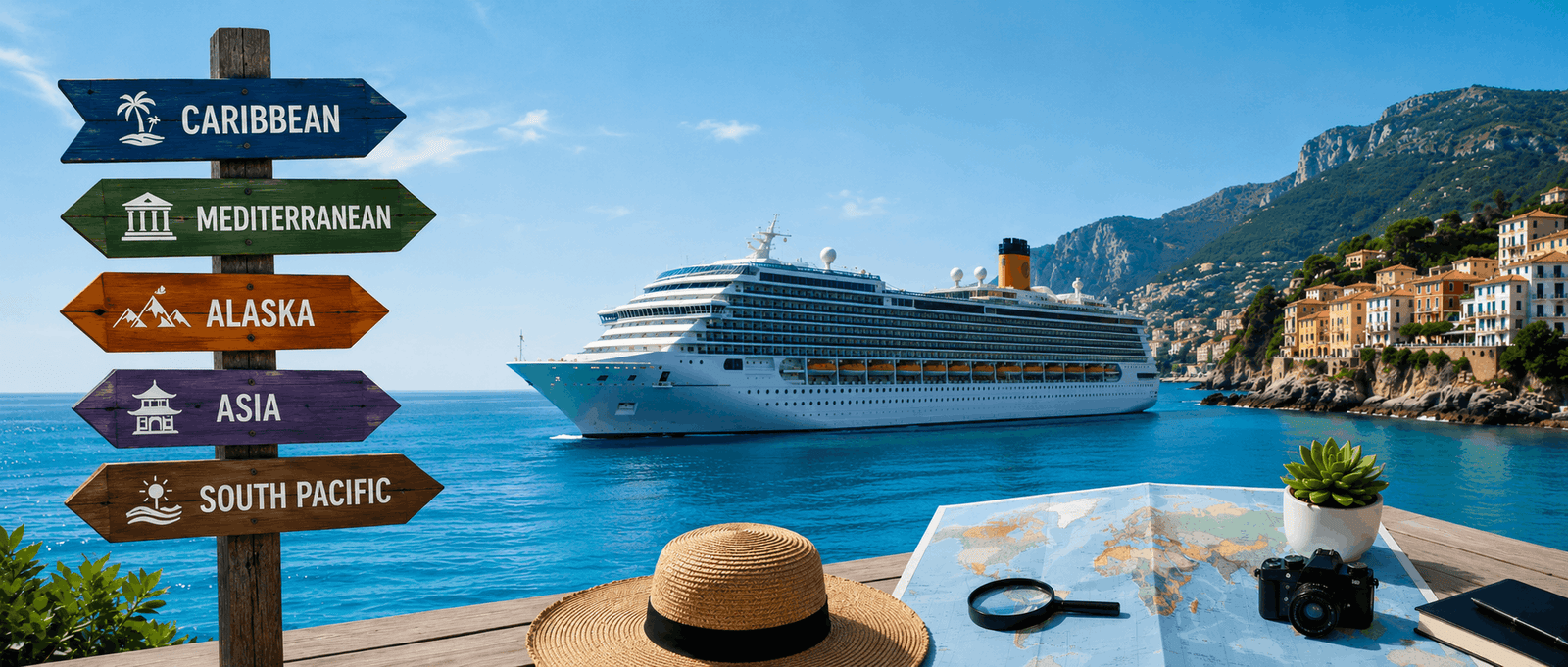
That feeling is completely normal, and it passes quickly. Whether you’re sailing through the Caribbean, tracing the Norwegian fjords, or island-hopping across the Mediterranean sea, the rhythm of a cruise reveals itself within the first day. The trick is knowing what to look for — and being open to a bit of spontaneity along the way.
This guide brings together everything a first-timer needs: from the best activities on board and how to use your time in port, to the surprisingly easy art of meeting people and building friendships that outlast the trip itself.
Step One: Get Your Bearings Before the Fun Begins
The first hour after boarding is often wasted standing in a corridor trying to figure out which deck the pool is on. Do yourself a favour and treat the initial boarding period as an orientation mission. Most cruise lines provide an interactive ship map through their app — download it before you leave home and spend the first couple of hours simply walking the ship.
Locate the main dining venues, the entertainment stage, the spa, and — this one matters more than you’d think — the quiet spots. Every large ship has a handful of tucked-away sun decks and lounges that most passengers never find. Discovering them on day one means you’ll have a peaceful retreat for the rest of the voyage.
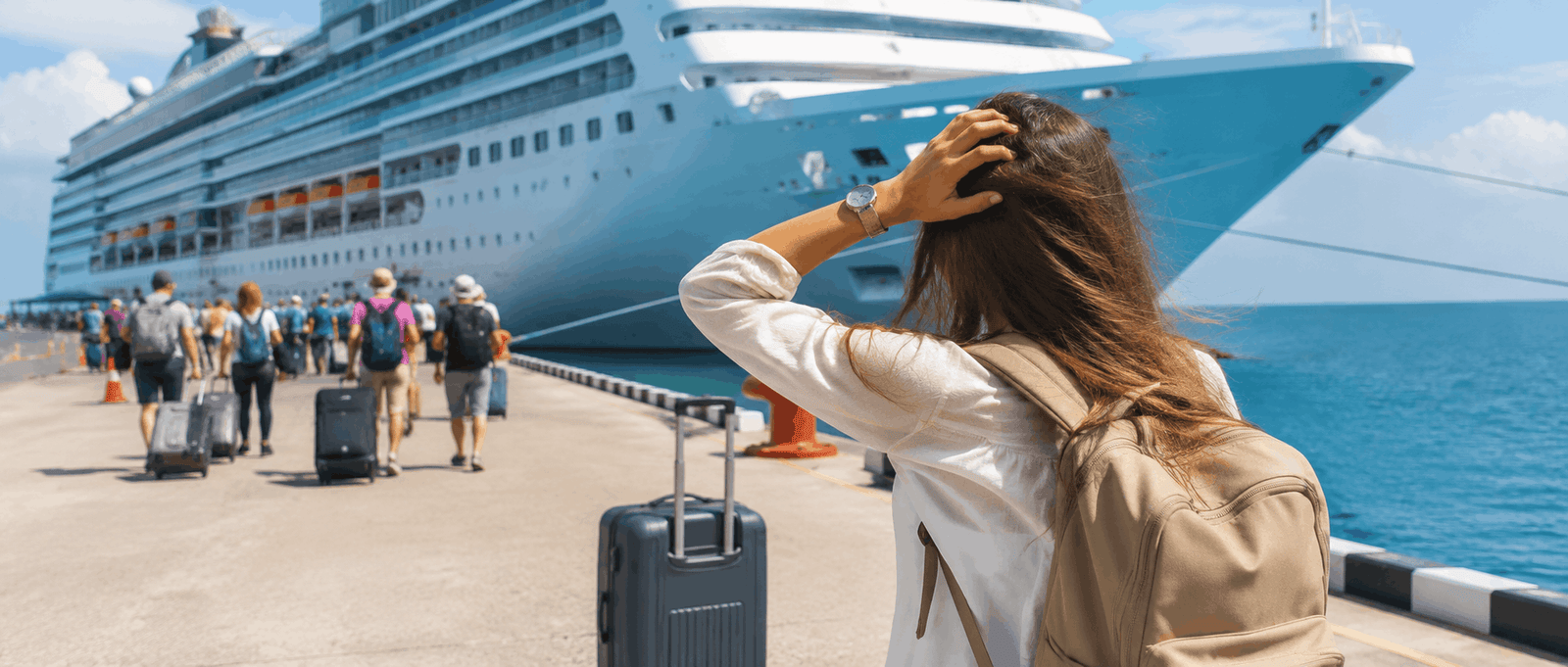
One practical note: your main luggage often doesn’t arrive at your cabin until late afternoon. Pack a day bag with your swimsuit, sunscreen, any medication, and a change of clothes. That way, you can start enjoying the ship immediately rather than waiting around.
What to Actually Do on a Cruise Ship
Modern cruise ships have moved well beyond bingo and shuffleboard. If you’ve only ever thought of cruising as a slow, passive holiday, what’s on offer today will genuinely surprise you.
High-Energy Activities and Adventure
Head to the upper decks and you’ll likely find waterslides, rock-climbing walls, mini golf courses, and on some of the newer ships, simulated surfing machines known as FlowRiders. If you’ve always wanted to try something a little ridiculous while looking out over the open ocean, this is your moment.
Some ships have also introduced glass observation capsules that lift passengers above the top deck for panoramic sea views. These tend to fill up quickly, so if it’s something you want to do, check the schedule early and book a slot on the first day.
World-Class Entertainment Every Evening
After dark, the ship transforms. Main theatre productions on larger vessels rival what you’d see in a proper theatre — full staging, live vocals, professional dancers. Beyond the headline show, most ships run comedy sets, live jazz, acoustic performances, and themed parties simultaneously, so you can wander between them depending on your mood.
The best part: virtually all of this is included in your fare. There’s no booking fee, no surcharge at the door. Just turn up and enjoy it.
Workshops, Classes, and Hidden Hobbies
This is one of the most underrated parts of cruising. The daily schedule — usually a printed flyer left on your bed each evening, or available through the ship’s app — is packed with workshops that most people walk past without a second glance. Napkin folding, ballroom dancing, digital photography, watercolour painting, mixology classes, wine tastings.
These sessions are typically free and run during port days or on sea days when there’s more time to fill. They also happen to be one of the best ways to meet fellow passengers, because you end up sitting next to someone, fumbling through the same unfamiliar activity, and laughing about it together.
Food as an Experience, Not Just a Meal
The main dining room is just the beginning. Look out for cooking demonstrations by the ship’s executive chef, behind-the-scenes galley tours, and wine or spirits pairing seminars. These give you a glimpse into the extraordinary logistics of feeding thousands of people three times a day on the open water — it’s genuinely fascinating, and the tastings are rarely disappointing.
Rest, Actually
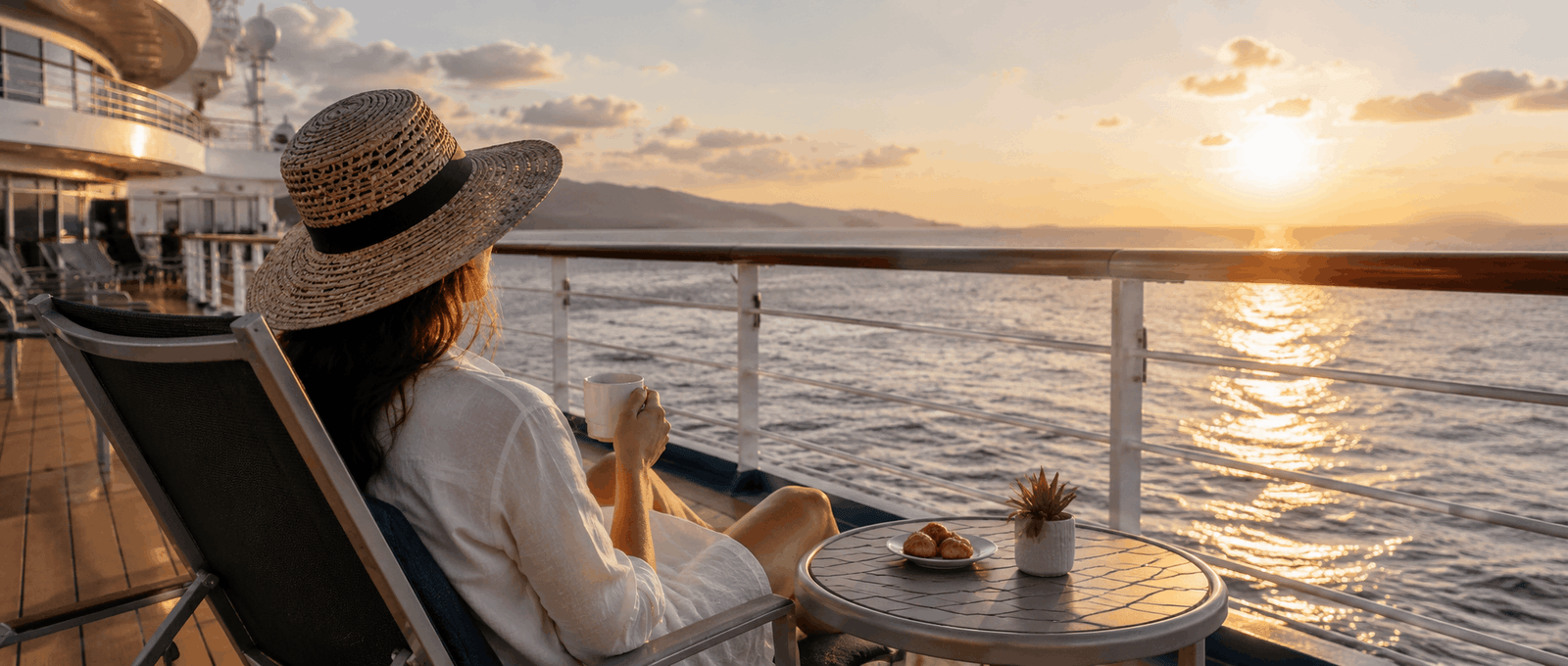
Not everything has to be an activity. One of the greatest things a cruise gives you is permission to do nothing in a very comfortable setting. Adults-only solariums, spa facilities with thermal pools, quiet library corners, and long afternoons in a sun lounger with a novel and a cold drink — these are just as valid a use of your time as climbing the rock wall. Pace yourself. You have days at sea to fill.
Making the Most of Your Shore Excursions
Port days are where a cruise really opens up. You can stay on the ship and enjoy it with a fraction of the usual crowd, or you can step ashore and explore. Both are equally valid choices.
Official ship excursions are organised, air-conditioned, and guaranteed to get you back before departure. Independent exploration is cheaper and often more memorable, but it carries the risk of losing track of time. If you go independently, build in a buffer of at least an hour before the ship sails. No cruise line will wait.
Group shore excursions also offer a natural social opportunity. You’re spending four hours with the same people, sharing a bus or a boat, reacting to the same sights. Conversations start themselves. Some of the most lasting friendships from cruises begin not on the ship, but on a guided walk through a port city.
The Social Side: How to Meet People on a Cruise
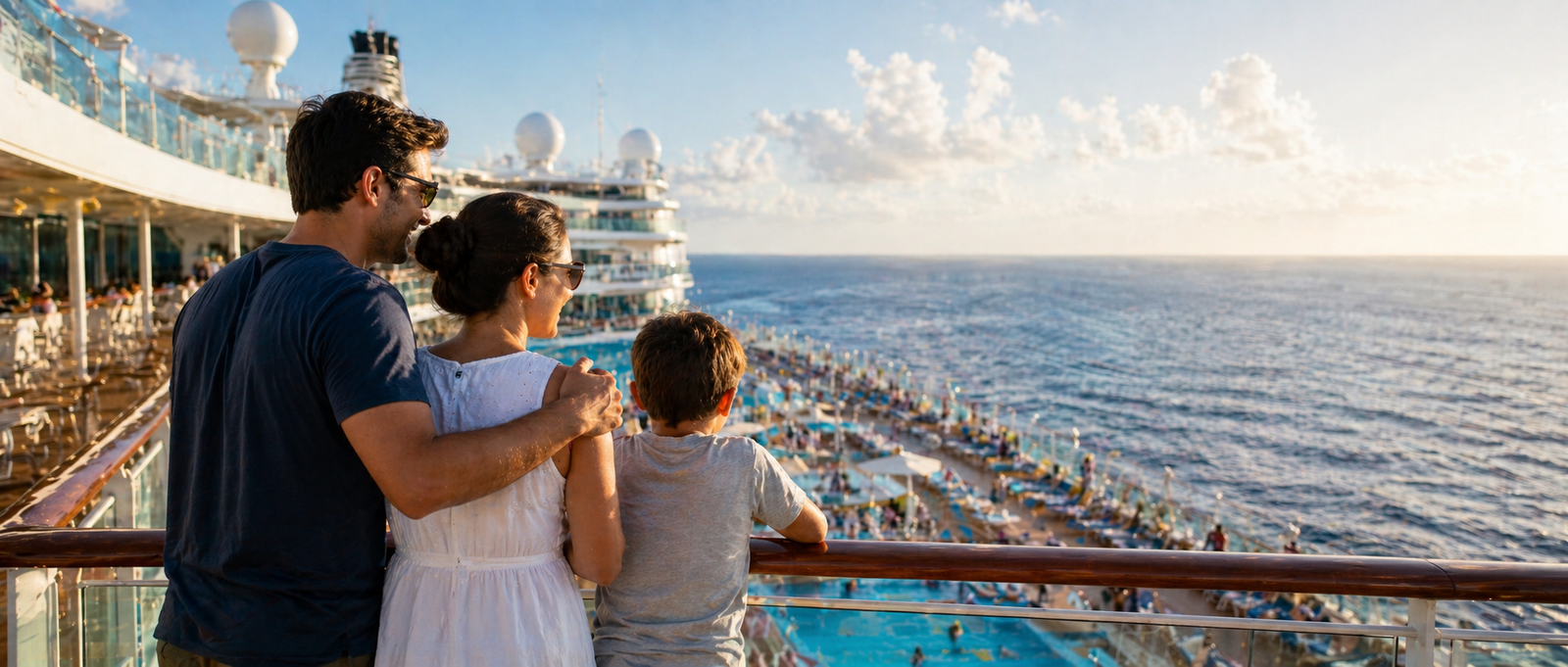
Cruising has an unusual social quality that most other holidays don’t. You’re in an enclosed environment with the same group of people for several days, and the ship is designed to bring you together — shared dining rooms, communal pools, group cruise activities. Unlike a hotel where guests rarely interact beyond a nod in a corridor, on a ship there’s a genuine sense of community.
Traditional Dining: Still the Best Icebreaker
If you’ve opted for traditional fixed-time dining, you’ll likely be seated with the same people for the entire voyage. This is one of the oldest and most effective cruise traditions for a reason. By the third night, you’ve heard each other’s stories, compared notes on the ports, and developed something that seasoned cruisers affectionately call a “cruise family.” Sharing a three-course meal and a bottle of wine with strangers is a remarkably efficient way to make friends.
Themed Meetups and Social Events
Most cruise lines host dedicated social hours early in the voyage. Keep an eye out for Solo Travellers Mixers, sports fan meetups, LGBTQ+ get-togethers, or interest-based happy hours. These events are designed specifically to lower the barrier to conversation, so the atmosphere is relaxed and the introductions feel natural. Attend at least one on the first sea day and see what happens.
Joining In on Activities
Trivia nights, morning spin classes, cooking workshops, pool deck games — the common thread is that participation naturally places you next to people with overlapping interests. “Mind if I join your trivia team?” is one of the simplest and most effective opening lines on any ship. Say yes to things you wouldn’t normally do, and watch the conversation find you.
Connecting Before You Even Board
One of the quieter shifts in cruise culture over the past decade is how much socialising now begins before the ship leaves port. Many travellers join online “Roll Call” groups on social media forums weeks or months ahead of their sailing. By the time they board, they already have a familiar name to look for in the atrium.
Seaya Apps take this idea further, letting you discover and connect with fellow passengers who share your interests before you even step on board. Instead of arriving as a stranger hoping to stumble into the right conversation, you board already knowing who’s on your wave length — whether that’s someone to explore ports with, find a trivia partner, or simply share a drink with on the last evening at sea.
It’s a small shift, but it changes the entire feel of the voyage. Rather than spending the first day and a half in mild social anxiety, you walk in with context — and context makes everything easier.
Practical Tips That Actually Make a Difference
A few habits separate the passengers who feel like they got the most out of their cruise from those who spend the last day wishing they’d done more:
- Read the Daily Planner every evening. The schedule for the following day is either slipped under your cabin door or available on the app. It’s worth five minutes of your time before bed. Limited-capacity events fill up fast, and you’d be surprised what you almost miss.
- Use the ship’s internal app for messaging. Most major cruise lines offer onboard messaging within their app, often without needing a paid internet package. It’s invaluable for coordinating with travel companions or staying in touch with people you’ve met on board.
- Say yes to at least one thing outside your comfort zone. It doesn’t have to be dramatic. Take the behind-the-scenes galley tour. Sit at the bar and chat to the person next to you. Try the dish you can’t pronounce. These are usually the moments people talk about when they get home.
- Don’t ignore the sea days. First-timers often dread them, worried they’ll be bored. In reality, sea days are when some of the best programming happens — and when the most spontaneous conversations occur because everyone is just… there.
- Be approachable. This sounds obvious, but a cruise is one of the few environments where striking up a conversation with a total stranger is completely normal and expected. Smile at people. Ask where they’re from. Ask what they thought of the last port. The social rules are looser here than they are on land, and most people are grateful for it.
The Real Point of It All
A cruise is, at its core, a very good excuse to be present. No car to drive, no errand to run, no commute. The ship handles the logistics while you focus on the part of travel that actually matters: exploring new places, trying things you wouldn’t try at home, and connecting with people you wouldn’t otherwise meet.
The travellers who come back raving about their cruise aren’t the ones who packed in the most excursions or sat through the most shows. They’re usually the ones who stayed open — to a new activity, a new dish, a new conversation at the bar on a Tuesday evening.
And if you want to give yourself a head start on the social side of things, tools like Seaya can help you find your people before the ship ever leaves the dock. Visit Seaya.io to see how it works.

For Christian, Seaya is the culmination of a career-long obsession with innovation. By leveraging his deep technical expertise to dismantle legacy constraints, Christian is transforming the way travelers connect at sea. He is dedicated to keeping Seaya at the vanguard of the “what’s next,” proving that the most powerful innovations happen when world-class tech meets a completely new frontier.
SUBSCRIBE NOW
Your Next Cruise Adventure Awaits
- News & articles
Related Blog