Key Takeaways
- Wellness cruises combine relaxation, structured activity, and personal well-being into a traditional cruise vacation format.
- The trend is growing because it matches broader shifts toward health-focused lifestyles and stress reduction in everyday life.
- Spa programs, fitness classes, healthy dining, and mindfulness workshops are becoming standard features rather than optional add-ons.
- Popular activities include yoga, meditation, fitness classes, walking groups, wellness workshops, and healthy cooking experiences.
- Younger travelers are increasingly drawn to wellness cruising because it aligns with mental health awareness and active lifestyles.
- Wellness cruises create strong social experiences through shared, repeated group activities rather than one-off encounters.
- Wellness isn’t limited to fitness — it also includes relaxation, connection, mental health, adventure, and personal enjoyment.
- Solo travelers, couples, friend groups, and first-time cruisers all tend to benefit from the structure wellness cruising offers.
- Platforms like Seaya make it easier to connect with fellow wellness-minded travelers before and during a cruise.
- The future of wellness cruising points toward more personalization, more activity variety, and a stronger focus on social wellness.
A few years ago, if you told someone you were going on a cruise to “reset,” they might have pictured you lounging by a pool with a drink in hand, and honestly, that image wasn’t wrong. But something has shifted. Travelers today are boarding ships not just to see new ports, but to actually feel better when they get home than they did when they left.
In this guide, you’ll learn what wellness cruises actually are, why they’re becoming one of the fastest-growing corners of the cruise industry, what a typical day looks like, who they’re best suited for, and how the cruise social side of cruising meeting people, sharing activities, building real connections — is quietly becoming one of the biggest reasons travelers choose them in the first place.
What Are Wellness Cruises?
A wellness cruise is a cruise vacation built around health, balance, and personal well-being rather than nonstop sightseeing or entertainment. That doesn’t mean the fun disappears — it means the ship experience is designed to support how you feel, not just where you go.
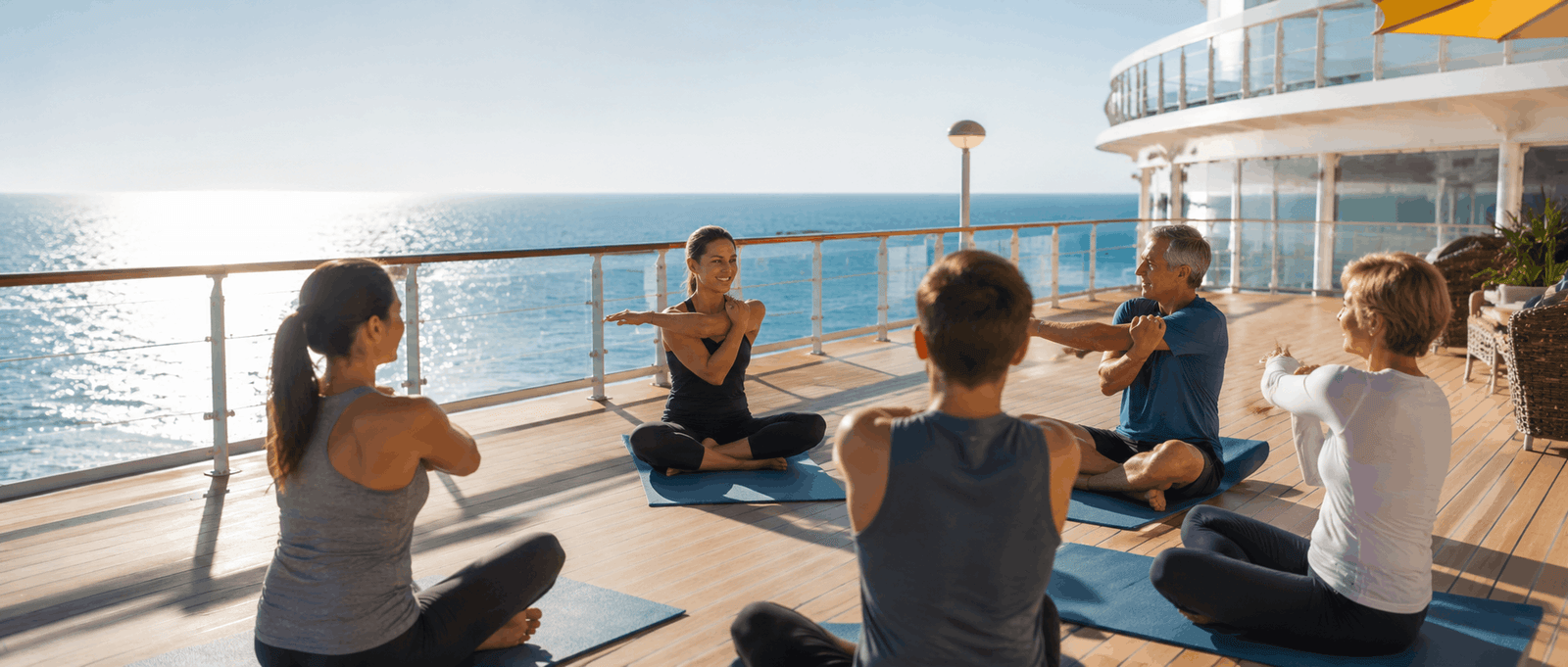
On a traditional cruise, the day might revolve around buffet lines, poolside lounging, and an evening show. On a wellness cruise, that same day might start with sunrise yoga on the top deck, move into a nutrient-dense breakfast, include a mid-morning walking group around the promenade deck, and wind down with a guided meditation session before dinner. The itinerary is the same ocean, the same ports, but the rhythm of the day feels completely different.
Wellness cruising isn’t a separate category of ship the way an “expedition cruise” or a “river cruise” is. Instead, it’s a growing set of programs, amenities, and onboard philosophies that mainstream cruise lines are weaving into their regular sailings. Fitness classes, spa treatments, mindfulness workshops, and health-conscious menus used to be add-ons. Now they’re becoming the main event for a growing number of travelers.
The appeal is simple: cruising already removes a lot of daily friction. You don’t have to drive anywhere, cook anything, or plan complicated logistics. Wellness cruising takes that same low-friction environment and points it toward something restorative instead of just relaxing in the passive sense.
Why Wellness Cruises Are Growing in Popularity
The rise of wellness cruising didn’t happen in isolation. It’s tied to broader shifts in how people think about time off, health, and what a “good” vacation actually looks like.
Health-focused lifestyles have become the norm, not the exception. Fitness tracking, mindful eating, and mental health awareness aren’t niche interests anymore — they’re part of daily life for a huge share of travelers. When health becomes a daily habit at home, people naturally want their vacations to support that habit instead of interrupting it.
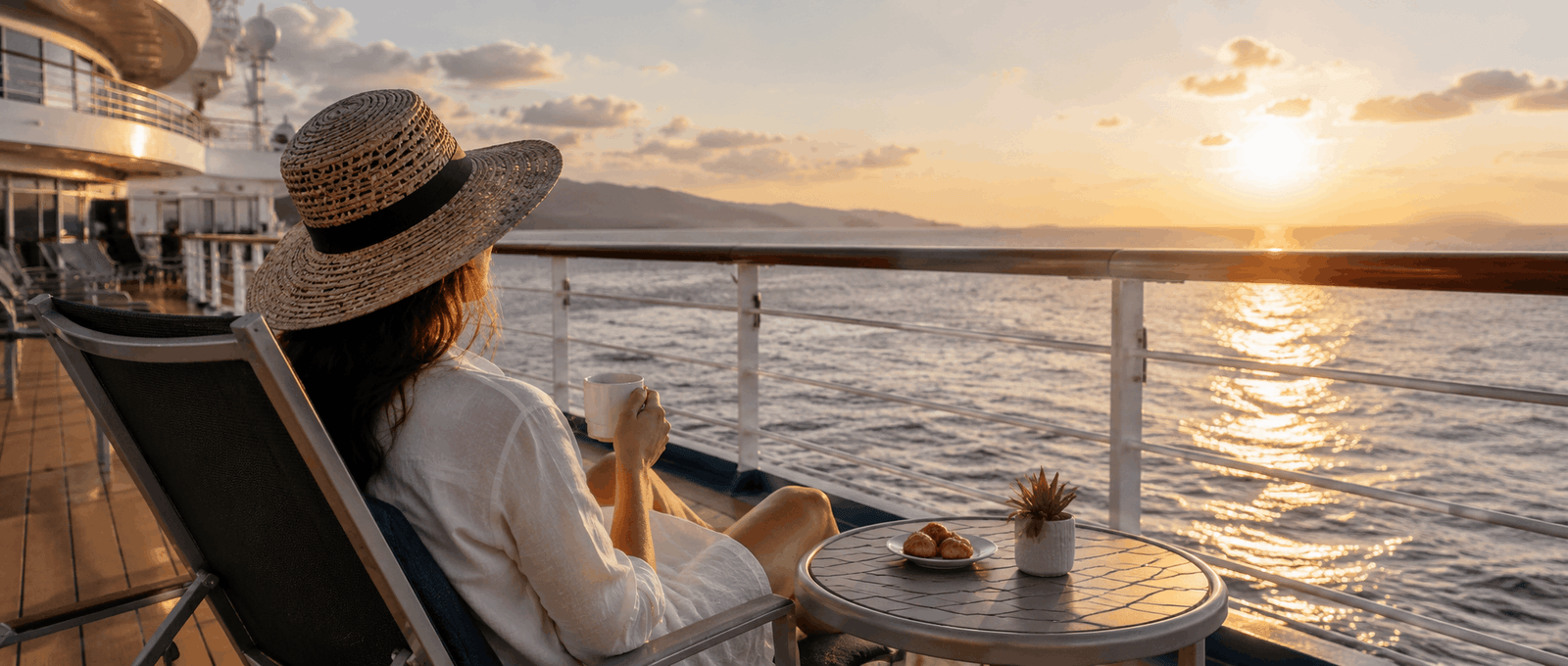
Stress reduction has become a primary travel goal. Surveys of travel intent consistently show that reducing stress and mental fatigue ranks among the top reasons people book vacations at all. A wellness cruise is almost engineered for this. The ocean itself has a calming effect, the ship removes decision fatigue around transportation and dining, and the programming is built to slow you down rather than rush you along.
Work-life balance has changed how people value time off. Remote work, flexible schedules, and always-on connectivity have blurred the line between working hours and personal time for a lot of people. A cruise vacation that actively helps you disconnect and recover feels more valuable than one that just relocates the same stress to a different backdrop.
There’s also a practical dimension to this growth that’s easy to overlook: recovery from travel itself. Anyone who has come home from a whirlwind trip exhausted rather than refreshed knows the feeling of needing a few days just to catch up on sleep and normal eating. Wellness cruises are designed to close that gap. Because the ship handles transportation, meal planning, and daily logistics, travelers have far more mental bandwidth left over for actually resting, moving their bodies, and enjoying the trip while it’s happening, instead of only appreciating it in hindsight.
What Makes Wellness Cruises Different?
The difference between a standard cruise and a wellness-focused one usually comes down to intentional design across a handful of key areas.
Spa experiences go deeper than a one-off massage. Instead of a single spa day, wellness-oriented cruises often build multi-day spa programming — thermal suites, hydrotherapy circuits, acupuncture, and recovery treatments that are meant to be part of a routine during the sailing, not a one-time indulgence.
Fitness programs are structured, not just available. Rather than a gym you can visit whenever, wellness cruises tend to offer scheduled classes: sunrise yoga, functional training, cycling, boxing, Pilates, and stretching sessions led by real instructors, often multiple times a day.
Healthy dining is built into the menu, not hidden in a side section. Nutrient-dense options, clearly marked calorie or ingredient information, plant-forward dishes, and meals designed around energy and digestion rather than just indulgence are becoming standard on wellness-forward sailings.
None of these elements are entirely new to cruising. What’s new is how deliberately they’re being combined and marketed as a cohesive experience rather than scattered amenities.
Think of it this way: a traditional cruise gives you access to a gym, a spa, and a healthy menu item or two, but it’s up to you to piece those together into something meaningful. A wellness cruise does that assembly work for you. The schedule already includes the morning workout. The menu already flags the balanced options. The spa already has a multi-day package instead of a single appointment. That shift from “available if you look for it” to “built into the day” is really the core difference, and it’s why travelers who’ve tried both often describe wellness cruising as feeling less like a vacation they have to plan around and more like one that plans itself around them.
Popular Wellness Activities on Cruise Ships
If you book a wellness-forward cruise today, here’s the kind of programming you can realistically expect to find on the daily activity sheet:
Yoga. Usually offered at sunrise or sunset on an open deck, with options ranging from gentle stretching to more athletic vinyasa flows.
Meditation. Guided sessions focused on breathing, mindfulness, or stress relief, often held in quiet indoor spaces or on deck early in the morning.
Fitness classes. HIIT sessions, spin classes, functional training, and strength circuits led by certified instructors, sometimes tailored to different fitness levels.
Walking groups. Organized laps around the promenade deck, often paired with step-count challenges or scenic port walks during stops.
Wellness workshops. Sessions on topics like sleep hygiene, nutrition basics, stress management, or mindful travel habits, usually led by onboard wellness staff or visiting experts.
Healthy cooking experiences. Demonstrations or hands-on classes focused on nutrient-dense recipes, often tied to the ship’s own healthy-dining menu.
Spa treatments. Massages, facials, hydrotherapy, and recovery-focused treatments that go beyond a single pampering session and into ongoing self-care during the trip.
The exact lineup varies by cruise line and ship, but the common thread is that these activities are scheduled, staffed, and treated as a core part of the cruise experience rather than an afterthought.
Why Younger Travelers Are Interested in Wellness Cruises
Cruising has historically carried a reputation as a vacation style for retirees and family reunions. Wellness cruising is one of the biggest forces changing that reputation, particularly among younger travelers.
Mental wellness has become a priority, not a taboo. Young Travelers Cruise are far more open about prioritizing mental health, and a vacation that actively supports that — through mindfulness sessions, quiet spaces, and stress-reducing activities — feels aligned with values they already hold.
Active lifestyles carry over into travel choices. People who train regularly, run, or practice yoga at home don’t want to pause that routine for a week. Wellness cruises let them keep moving without having to plan workouts around unfamiliar gyms or cities.
Social experiences matter as much as the destination. Younger travelers often value shared activities and group experiences over solo sightseeing. Wellness programming — group fitness classes, communal healthy meals, shared workshops — naturally creates those social moments.
Meaningful travel has replaced “just going somewhere.” For a lot of younger travelers, a vacation needs to offer something more than a change of scenery. It needs to contribute to how they feel, grow, or connect with others, which is exactly what wellness cruising is designed to do.
Balance between fun and relaxation feels achievable. Younger travelers don’t necessarily want a purely restful trip or a purely social one — they want both. Wellness cruises manage to offer high-energy fitness classes and low-key relaxation spaces on the same ship, often on the same day.
This is part of why cruise lines have started actively marketing wellness programming toward a younger demographic, something that would have been unusual even a decade ago.
How Wellness Cruises Create Better Social Experiences
One of the most underrated aspects of wellness cruising is how naturally social it becomes, even for travelers who didn’t necessarily book the trip looking to meet people.
Shared activities remove the awkwardness of introductions. Showing up to a sunrise yoga class or a group fitness session gives you an instant, low-pressure reason to be in the same space as other travelers. You don’t need an opening line — the activity does the work for you.
Group settings build familiarity over the course of the trip. Unlike a one-off excursion, wellness activities tend to repeat daily. Seeing the same faces at morning meditation or the afternoon walking group turns strangers into familiar company by day three or four.
Shared goals create quick common ground. Whether it’s finishing a fitness challenge, trying a new style of meditation, or working through a healthy cooking class together, shared goals give people something concrete to talk about beyond small talk.
Friendships form faster in relaxed environments. Wellness settings tend to be lower-stress and less performative than a crowded pool deck or a late-night lounge, which makes it easier for genuine conversations to happen.
Memories build around experiences, not just locations. Travelers often remember who they did something with more vividly than where they did it. A wellness cruise, with its daily rhythm of shared activities, tends to produce exactly that kind of memory.
This social dimension is a big part of why wellness cruising resonates so strongly with solo travelers and small groups alike — it offers structure for connection without forcing it.
Are Wellness Cruises Only About Fitness?
Not even close. Fitness is one visible piece of wellness cruising, but it’s far from the whole picture.
Wellness, in the way modern cruise lines are designing it, includes:
- Relaxation — quiet spaces, slower mornings, and time built into the schedule specifically for doing nothing productive.
- Connection — group activities and communal spaces designed to bring people together naturally.
- Experiences — workshops, classes, and excursions that go beyond passive entertainment.
- Mental health — mindfulness practices, stress-reduction sessions, and environments designed to lower overstimulation.
- Adventure — active shore excursions like hiking or kayaking that combine movement with exploration.
- Personal enjoyment — the simple, often overlooked idea that feeling good should be part of the vacation itself, not something you chase afterward.
If the only thing you take away from a wellness cruise is a better tan and a few new yoga poses, that’s a perfectly valid outcome. But the format is flexible enough to support travelers who want deep relaxation, travelers who want an active challenge, and travelers who just want a more intentional version of a normal cruise vacation.
Best Types of Travelers for Wellness Cruises
Wellness cruising works well for a wide range of travel styles, but a few groups tend to get the most out of it.
Solo travelers often find wellness cruises especially welcoming. The built-in group activities create natural social opportunities, and the slower pace removes the pressure to constantly plan or explore alone.
Couples looking for a vacation that combines relaxation with quality time tend to appreciate the balance wellness cruises offer — shared spa days, joint fitness classes, and quiet evenings without a packed itinerary competing for attention.
Friend groups who want more than a poolside hangout can use wellness programming as a shared project for the trip, whether that’s a fitness challenge or trying a new wellness practice together.
First-time cruisers sometimes find wellness cruises less overwhelming than a traditional mega-ship experience, since the focus on structured, smaller-group activities can feel more approachable than a ship packed with nonstop entertainment options.
Active travelers who don’t want to put their routines on pause will find that wellness cruises are often the only cruise style that actively supports, rather than interrupts, a regular fitness habit.
How Seaya Helps Travelers Make Wellness Cruises More Social
Modern cruise experiences are becoming more connected long before the ship ever leaves port. Travelers increasingly want to know who else is sailing, find people with similar interests, and plan activities together instead of figuring it all out once they’re already on board.
This is where a platform like Seaya fits naturally into the wellness cruising trend. Seaya helps cruise travelers meet passengers before sailing, so instead of hoping you’ll bump into like-minded people at a yoga class, you can connect with fellow wellness-focused travelers in advance and plan to attend together.
For wellness cruisers specifically, this matters more than it might for a typical sightseeing-focused trip. A big part of the value of wellness cruising comes from shared activities and group energy — a sunrise yoga session feels different with familiar faces around you, and a healthy cooking workshop is more fun when you already know a few people in the room.
Seaya supports that by helping travelers find people with similar interests, whether that’s fitness, mindfulness, or simply wanting a more relaxed, health-conscious version of a cruise vacation. It also makes it easier to plan activities together ahead of time, join cruise communities built around shared sailings, and share experiences during and after the trip, so the connections made on board don’t just end when everyone disembarks.
None of this changes what happens on the ship itself — the yoga classes, the spa treatments, the healthy menus are still run by the cruise line. What changes is how prepared and connected travelers feel walking into that experience, which, for a trip built around wellness and connection, makes a meaningful difference.
Tips for Planning Your First Wellness Cruise
If you’re considering your first wellness-focused sailing, a little planning goes a long way toward making the trip feel intentional rather than improvised.
Choose the right cruise line and ship. Not every ship offers the same depth of wellness programming. Look specifically at the daily activity schedule, spa offerings, and dining menus before booking, rather than assuming every sailing includes wellness content.
Check the activities schedule in advance. Most cruise lines publish sample daily itineraries. Reviewing these ahead of time helps you understand how much wellness programming is actually built in, versus how much is limited to a single spa visit or gym.
Plan ahead for the activities that matter most to you. Popular classes like sunrise yoga or specialty spa treatments can fill up quickly. Booking key sessions in advance, when possible, helps you avoid missing out.
Connect with other travelers before you sail. Reaching out to fellow passengers ahead of time, whether through a Seaya or cruise line community groups, can turn a solo wellness goal into a shared one from day one.
Try new experiences you wouldn’t normally choose. Part of the value of a wellness cruise is stepping outside your usual routine. If you’ve never tried meditation or a plant-based cooking class, this is a low-pressure environment to give it a shot.
The Future of Wellness Cruises
Wellness cruising shows every sign of continuing to grow rather than fading as a temporary trend.
The broader wellness travel movement continues to expand. Wellness tourism has been one of the fastest-growing segments of the travel industry overall, and cruising is simply catching up to a shift that’s already well underway on land.
Personalization is becoming the next frontier. Instead of one-size-fits-all wellness travel movement programming, expect cruise lines to offer more tailored options — fitness levels, dietary preferences, and even personality-based activity matching designed to fit individual travelers rather than a general audience.
Activity choices will keep expanding. What started with basic yoga and spa access is already branching into specialty offerings like sound healing, recovery science, and outdoor adventure wellness, and that variety is likely to keep growing.
Social wellness will become a defined category of its own. As platforms make it easier to connect with fellow travelers before and during a cruise, expect the social side of wellness cruising to become just as prioritized as the physical and mental health components.
Wellness cruising isn’t replacing traditional cruising — it’s becoming a meaningful, permanent layer within it, one that more travelers will expect as a standard option rather than a specialty add-on.
FAQs
1. What is a wellness cruise?
A wellness cruise is a cruise vacation that emphasizes health, relaxation, and personal well-being through structured activities like fitness classes, spa treatments, mindfulness sessions, and health-conscious dining, alongside the usual cruise experience of visiting different ports.
2. Why are wellness cruises becoming popular?
Wellness cruises are growing because travelers increasingly want vacations that support their health-focused lifestyles at home, reduce stress, and offer meaningful experiences rather than just sightseeing.
3. Are wellness cruises worth it?
For travelers who value structured relaxation, fitness programming, and health-conscious dining, wellness cruises tend to feel more worthwhile than a standard sailing, since the activities are curated around feeling better, not just staying busy.
4. Are wellness cruises only for fitness lovers?
No. Wellness cruises include relaxation, mental health support, social connection, and personal enjoyment alongside fitness, making them suitable for travelers who simply want a calmer, more intentional vacation.
5. What activities are available on wellness cruises?
Common activities include yoga, meditation, guided fitness classes, walking groups, wellness workshops, healthy cooking demonstrations, and expanded spa and hydrotherapy offerings.

For Christian, Seaya is the culmination of a career-long obsession with innovation. By leveraging his deep technical expertise to dismantle legacy constraints, Christian is transforming the way travelers connect at sea. He is dedicated to keeping Seaya at the vanguard of the “what’s next,” proving that the most powerful innovations happen when world-class tech meets a completely new frontier.
SUBSCRIBE NOW
Your Next Cruise Adventure Awaits
- News & articles
Related Blog