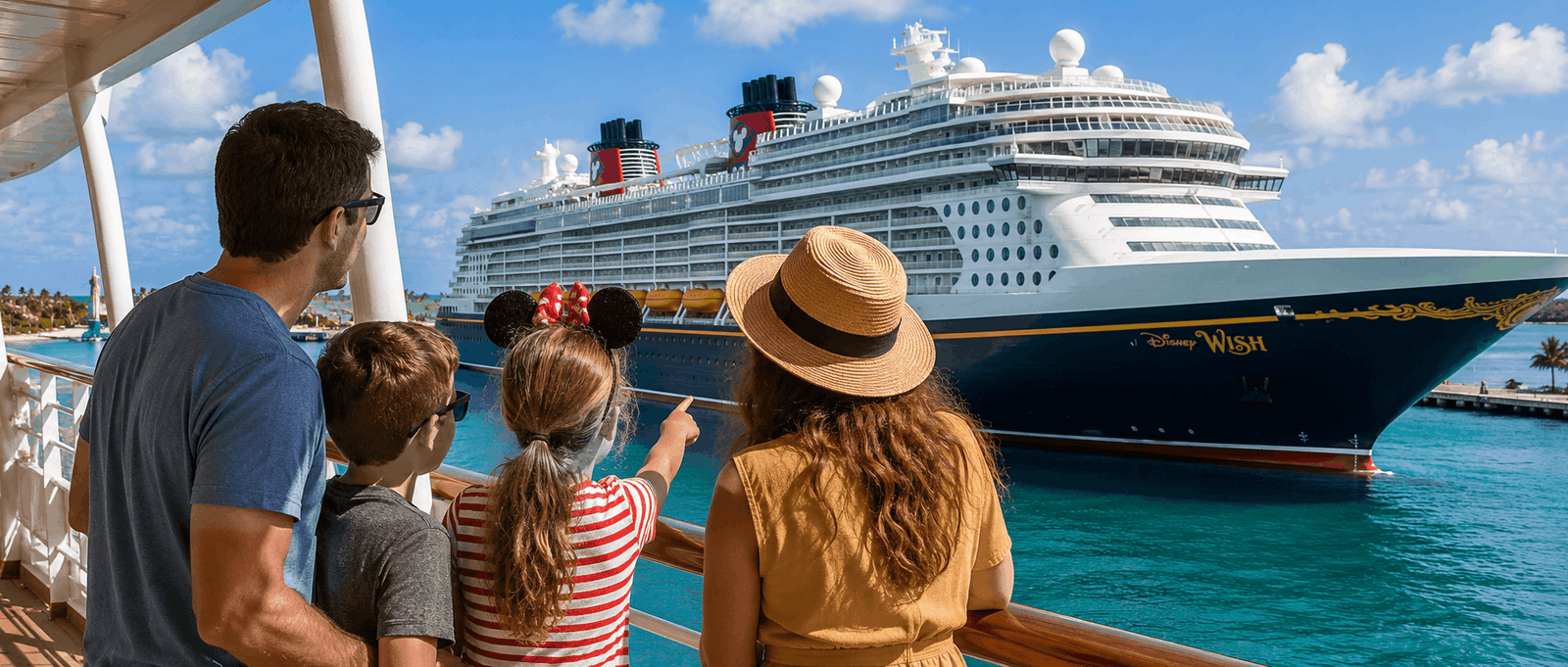
If you are about to book a family cruise with a teenager, you have probably pictured two versions of the week. In the first, your teen walks onto the ship, finds a group of kids their own age by the second day, and you barely see them except at dinner. In the second, they spend seven nights in the cabin with their phone and a look that says they would rather be anywhere else.
Both versions happen. The difference is rarely the ship or the itinerary. It is usually whether your teen knows where the other teens will be, and whether walking into a room full of strangers feels doable. This guide covers how teen and tween programs actually work on the cruise lines Seaya supports, what to do before you board, and how to make the first day easier for a shy kid.
A quick note before we start: clubs, age ranges and names change from time to time, and they can even differ from ship to ship within one line. Treat the details below as a starting point and confirm them with your cruise line when you book and again on board.
Why the first day matters more than any other
Teens on a cruise tend to make friends fast or not at all, and the window is short. On embarkation day everyone is new, everyone is a little lost, and nobody has settled into a group yet. By day three, friend groups have formed around the pool, the arcade and the late night activities. A teen who arrives on day three has a harder time than one who showed up on day one.
That is why the best move you can make as a parent is to get your teen into the teen club on the first afternoon, even if only for a quick look. Most lines ask you to register your kids when you board or shortly after, and the club staff can walk your teen through the week’s schedule. Norwegian, for example, recommends registering children and teens as soon as they board.
How the teen programs work on each line
Almost every major family cruise line splits older kids into two bands: tweens, usually around 11 or 12 to 14, and teens, usually 15 to 17. Some lines use one combined group for 13 to 17. Here is how the lines Seaya supports compare.
Royal Caribbean
Royal Caribbean runs Adventure Ocean for younger kids and separate programs for older ones. Depending on the ship, the older groups are commonly split into tweens around 12 to 14 and teens 15 to 17, and on some newer ships there is a single teen group for ages 13 to 17. The club names vary by ship, so look at your own ship’s page on the Royal Caribbean site. Adventure Ocean and the teen programs are included in the cruise fare for kids aged 3 and up, though Adventure Ocean charges an hourly fee after 10pm. The teen club has no late night fee.
If you are sailing on one of the larger, newer ships, expect more to do. Bigger ships mean more teens, which usually means the club feels lively from the first night. Our guide to meeting people on Royal Caribbean cruises has more on the line overall.
Carnival
Carnival splits its older kids into Circle C for ages 12 to 14 and Club O2 for ages 15 to 17. Both are included in the cruise fare for their daytime and evening programming, and the evening sessions run late on sea days. Younger children go to Camp Ocean. Carnival’s programs lean toward games, dance parties and themed nights, which tends to suit teens who want something social without being forced to chat.
Disney
Disney Cruise Line uses The Edge for tweens and Vibe for teens. As of recent published age ranges, the Edge welcomes ages 11 to 14 and Vibe is for ages 14 to 17, while the Oceaneer Club and Oceaneer Lab are for younger kids. Disney adjusted its age ranges in late 2023, so check the current ranges on the Disney Cruise Line site before you sail. Disney also has rules about where teens can go on their own, including spa, fitness center and simulator access, so read those before you book anything for your teen.
Norwegian
Norwegian keeps it simple. Splash Academy covers ages 3 to 12 and Entourage is the teen hangout for ages 13 to 17. There is no separate tween club, so a 12 year old sits in Splash Academy territory while a 13 year old moves up to Entourage. If your child is right on the edge, ask the youth staff which group fits better on your sailing.
MSC
MSC offers the Young Club for ages 12 to 14 and the Teen Club for ages 15 to 17, both listed as included in the fare. Younger children are split across the Baby Club, Mini Club and Junior Club by age. MSC ships carry a very international crowd, which can be a real plus for a teen who enjoys meeting kids from other countries, though language can slow things down at first.
Virgin Voyages
Virgin Voyages is an adults only line with a minimum age of 18, so there are no teen clubs and no family sailings. If you are a young adult looking for a cruise with people your own age, though, that setting can work well, and we cover it in other guides on the Seaya blog.
What to do before you board
The trick with teens is to remove as much of the uncertainty as you can before the ship leaves port.
Look at the schedule together. Every line publishes sample or daily schedules for its teen programs. Sit down with your teen a week before the cruise, look at what is on offer, and let them pick two or three things that look interesting. Teens are far more likely to show up when they chose the activity.
Register early. Many lines let you pre register your kids for youth programs online before the sailing, which skips a line on embarkation day. Check your cruise line’s website for how it works on your booking.
Agree on check in times. Teens want freedom and you want to know they are safe. Settle on a simple rule, such as a text at set times or meeting at a fixed spot before dinner, and set it up before you leave home. Most ships have phone or messaging options for staying in touch, and you can ask about them at guest services.
Talk about what to do when it feels awkward. The most common reason a teen skips the club is a fear of walking in alone and standing there. Tell them that nearly everyone in that room is feeling the same thing, and that the staff are trained to introduce kids to each other. A quiet first visit of ten minutes counts as a win.
Helping a shy teen find their people
Not every teen wants a club. Some would rather find one or two friends than join a crowd, and that is fine. Here are a few ways to help a quieter kid.
Start with an activity, not a conversation. Mini golf, trivia, a sports court or a game night gives teens something to do with their hands and gives them an easy reason to talk. Many teens find it easier to say “want to join our team?” than “hi, who are you?”
Look for shared interests. Gaming, sports, art, music and movies all show up in teen club programming. If your teen is into a particular thing, steer them toward that session first.
Use the dining hours. Some lines run teen dinner or lunch gatherings, which gives kids a natural way to eat with people their own age. Ask at the youth desk if one is on offer on your ship.
Give them room. If your teen finds a friend, resist the urge to schedule family activities around every moment. A cruise is one of the few places where teens can have real independence in a safe setting, and that independence is part of the appeal.
Meeting other families before you sail
Teens are not the only ones who benefit from knowing people before departure. Parents also make friends, and that often makes a whole week easier. If you meet another family with a teen close to yours, there is a decent chance the two teens will end up spending time together, even if neither is thrilled about it at first.
This is where a cruise roll call can help. A roll call is a group where people sailing on the same ship and date introduce themselves ahead of time. Seaya sets up roll call style groups for specific sailings, and the Seaya app lets you add your cruise, see who else is sailing on your ship and date, and chat with people you choose to connect with before you board. You can download it on the App Store or Google Play, and you can read more about how it works at seaya.io.
A few safety notes apply here, as with anything online. Connect only with people you choose, keep the first conversations in public or group settings, and meet in person in public parts of the ship. If you are connecting on behalf of a younger child, you should be the one doing the talking. Our post on whether it is safe to meet people on a cruise goes into more detail, and the Seaya site also publishes its child safety standards.
If your family cruise is a group trip with extended family or friends, you might also like our guide to cruising with family and friends.
What to expect on a port day
Port days are the hardest for teens to make friends. Most clubs shrink their hours, many teens head ashore with their families, and the ship feels quiet. If your teen has found a friend or two by then, port days are a good time to suggest a shared excursion, as long as both families agree. If not, check what the club offers once the ship is back from port. Several lines run activities in the late afternoon and evening on port days, which is when teens tend to drift back toward each other.
When the club is just not their thing
If your teen tries the club once and decides it is not for them, do not push it. Other social spots on a ship include the pool and sports deck, the arcade, movie nights, casual evening shows and open deck parties. Teens who sit in a deck chair near other teens often end up chatting without trying. The goal is not to produce a friend group on a schedule, it is to put your teen in a place where friendship is possible.
A simple plan for the first 24 hours
If you remember nothing else from this guide, remember this short list.
- Register your kids for youth programs as soon as your cruise line allows.
- Take your teen to see the teen club on embarkation day, even for ten minutes.
- Sit down together on the first evening and pick two or three activities for tomorrow.
- Agree on a check in routine that gives your teen space and gives you peace of mind.
- Keep your own expectations loose. Some teens bond in hours, some take until day four.
Final thoughts
Teen clubs are one of the best things about family cruising, and most lines include them in the cruise fare. They work best when your teen knows what to expect, has picked something that interests them and gets there early in the week. As a parent, your job is mostly to set the stage, then step back.
And if you want to meet other families before you even board, the Seaya app is a free way to see who is sailing on your ship and date. Take a look at seaya.io to see how it works.
Frequently asked questions
What age is the teen club on a cruise ship?
It depends on the line. Most lines split older kids into tweens, around 11 or 12 to 14, and teens, around 15 to 17. Norwegian runs a single teen group, Entourage, for ages 13 to 17, and some newer Royal Caribbean ships use a combined teen group for ages 13 to 17. Check your own ship and sailing before you go.
Are cruise teen clubs free?
On Royal Caribbean, Carnival, Disney, Norwegian and MSC, the main daytime and evening teen programs are generally included in the cruise fare, though some lines charge for late night group care for younger children and for certain special activities. Confirm the details for your booking with your cruise line.
Can teens go to the teen club by themselves?
In most cases yes. Teens are usually allowed to sign themselves in and out once a parent has registered them, but the exact rules vary by line, so ask the youth staff when you register.
Does Virgin Voyages have a teen club?
No. Virgin Voyages is an adults only cruise line with a minimum age of 18, so it has no teen or kids programs.
How can my teen meet other teens before the cruise starts?
Parents can look for a roll call for their exact sailing and connect with other families ahead of time. Seaya is an app that shows who is sailing on your ship and date, and many cruises also have roll call groups on Facebook or Cruise Critic. Parents should handle the connecting for younger kids.

For Christian, Seaya is the culmination of a career-long obsession with innovation. By leveraging his deep technical expertise to dismantle legacy constraints, Christian is transforming the way travelers connect at sea. He is dedicated to keeping Seaya at the vanguard of the “what’s next,” proving that the most powerful innovations happen when world-class tech meets a completely new frontier.
SUBSCRIBE NOW
Your Next Cruise Adventure Awaits
- News & articles
Related Blog