Key Takeaways
- Solo cruising doesn’t mean being alone — cruise communities exist specifically to bridge that gap.
- Traveling alone means independence; being alone means no connection. Communities let you keep the first without the second.
- More travelers are joining cruise communities to meet people, share tips, and plan activities before they even board.
- A younger cruise demographic and digital-first habits have made solo cruising more social than it’s ever been.
- Joining a community early — right after booking — leads to stronger connections than waiting until departure week.
- The best ways to meet people combine advance planning (communities, roll calls) with onboard effort (group dining, meetups, excursions).
- Solo cruises can feel lonely in specific moments, but preparation dramatically reduces that risk.
- Modern cruise communities solve many of the frustrations of traditional forum-based roll calls: better search, faster planning, more relevant matches.
- Technology, including apps like Seaya, is making it easier than ever to find people sailing on your exact ship and date.
- The future of solo cruising points toward more personalized, more accessible ways to connect — without giving up any of the freedom that makes solo travel appealing in the first place.
This guide walks through what solo cruise communities actually are, why they’ve become such a big part of modern cruising, how they compare to the old-school cruise roll call, and how to use one to make your next solo sailing the most connected trip you’ve taken. Whether you’re a first-timer nervous about eating alone or a veteran solo cruiser looking for a better way to find your people, you’ll find something useful here.
What Are Solo Cruise Communities?
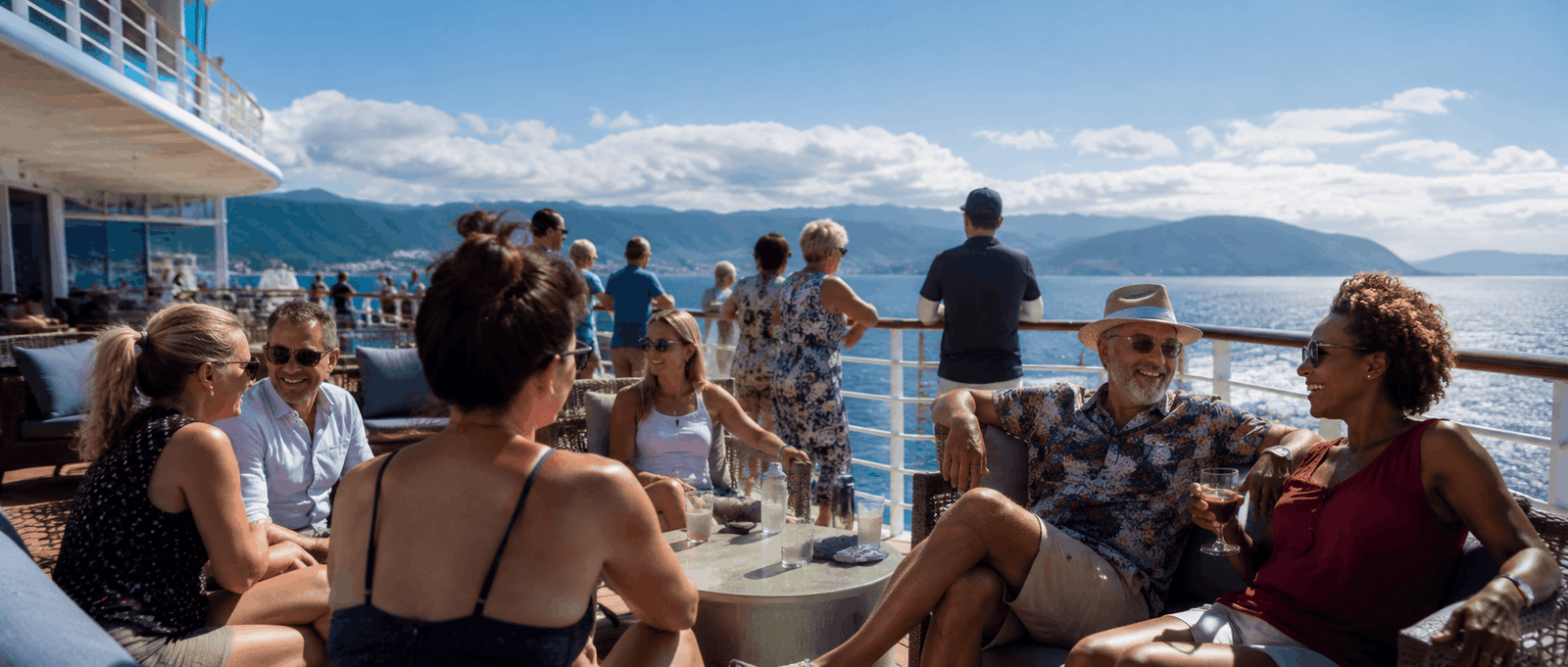
A solo cruise community is a group of travelers, often sailing on the same ship and departure date, who connect before their journey begins. These communities allow passengers to introduce themselves, share information, organize plans, and build friendships before boarding. Instead of stepping onto a cruise ship surrounded only by strangers, solo travelers can arrive already knowing people with similar interests.
These communities are found in different places, including dedicated cruise networking platforms, social media groups, online forums, and sailing-specific discussion pages. Travelers use them to talk about excursions, onboard activities, dining options, entertainment, travel tips, and casual meetups. The purpose is simple: help independent travelers enjoy social connections without giving up their freedom.
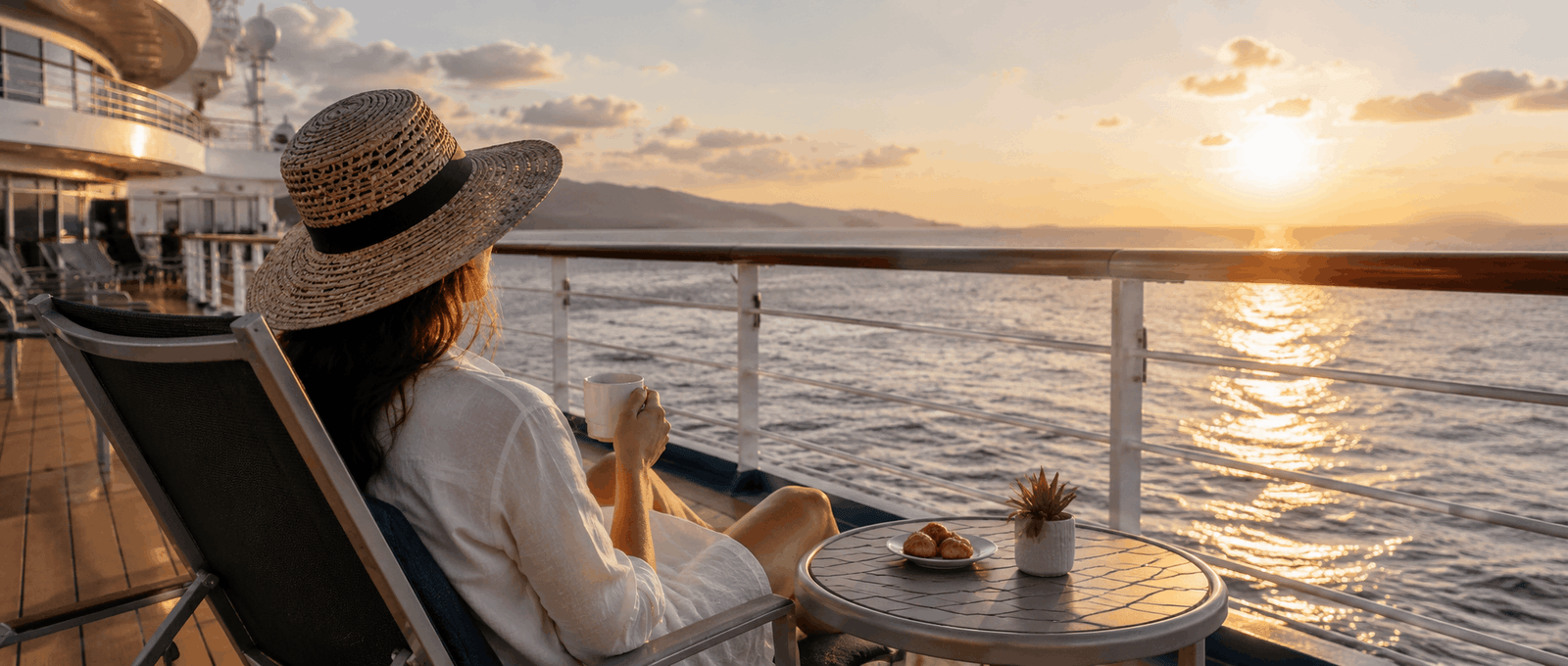
There is an important difference between traveling solo and being alone. Solo cruising means choosing your own schedule, cruise booking your own experiences, and having complete control over your vacation. Being alone means lacking people to share moments, conversations, or activities with. Solo cruise communities help remove that feeling of isolation while keeping the flexibility that makes solo travel appealing.
Members can decide how involved they want to be. Some may join group dinners, explore ports together, or attend events with other travelers. Others may simply enjoy having familiar faces around the ship while still spending most of their time independently.
Since members are usually linked by the same ship and travel dates, discussions become highly useful and specific. They can exchange updates, arrange group activities, share recommendations, and prepare together before departure. For many passengers, solo cruise communities create the perfect balance between independence and companionship, turning a solo journey into a more comfortable and memorable travel experience.
Why More Travelers Are Joining Cruise Communities
The growth in cruise communities tracks almost exactly with the growth in solo cruise bookings. Cruise lines have reported year-over-year increases in solo cabin bookings for nearly a decade, and more ships are being built with dedicated solo cabins to meet that demand. But booking solo and wanting to be social aren’t contradictory — most solo cruisers still want company, just on their own terms.
A few things are pulling people toward these communities specifically:
Meeting new people before the ship sails. Instead of hoping you get lucky with your dinner table assignment, you can already know who you’re eating with on night one.
Sharing real, current information. Official cruise line information is often generic. A community made up of people on your actual sailing can tell you things like which specialty restaurant still has availability, whether the ship recently changed its port schedule, or what the weather’s realistically going to be like at your ports.
Finding people with similar interests. Solo travelers aren’t a monolith. Some want quiet reading time and the occasional dinner companion. Others want a group to hit the nightclub with every night. Communities let people self-select into the kind of social experience they actually want.
There’s also a simple psychological factor at play. Booking a solo trip can come with a small amount of second-guessing — will this actually be fun, or will it just be quiet? Joining a community answers that question early. Within a day or two of posting in a group chat or forum, most solo travelers already have a few names attached to their trip, a couple of tentative plans, and a much clearer sense that they won’t be starting completely from scratch on embarkation morning. That reassurance alone is often enough to turn hesitation into genuine excitement about the sailing.
Why Solo Cruising Is Becoming More Social
Solo cruising used to have a reputation problem. It was seen as something older travelers did, often widows or widowers looking for company, and it carried a slightly lonely connotation. That image has changed dramatically, and a few forces are behind it.
The traveler base has gotten younger. Cruise lines have actively courted a younger demographic with music festivals at sea, adults-only ships, and shorter itineraries aimed at people with less vacation time. Younger solo travelers are far more likely to expect — and seek out — a social experience, the same way they would on a solo backpacking trip.
Digital-first connection is now the default. People in their 20s, 30s, and 40s are used to meeting people online before meeting them in person, whether that’s through dating apps, hobby communities, or professional networks. Applying that same behavior to cruise planning feels natural rather than unusual.
Group activities have expanded onboard. Cruise lines have added more communal spaces and programmed social events specifically for solo travelers — solo meetups at a designated bar, group trivia, shared excursion sign-ups — which gives communities a built-in reason to coordinate around.
Shared experiences are part of the appeal, not a compromise. Where solo travel was once framed as “going it alone,” it’s increasingly framed as maximum flexibility with the option of company whenever you want it. Communities are what make that option real instead of theoretical.
Benefits of Joining a Solo Cruise Community
The benefits compound the earlier you get involved, which is one reason experienced solo cruisers join a community as soon as they book rather than waiting until the week before departure.
- Making friends before you even pack. Group chats and forums often turn into real friendships that carry into future trips together.
- Finding activity partners for excursions you wouldn’t do alone. Not everyone wants to snorkel or zipline solo — a community makes it easy to find a partner without pressuring anyone.
- Getting tips from people who’ve sailed the same ship or route. Firsthand advice about cabin location, tender ports, or which sea day activities are worth it beats generic reviews every time.
- Splitting costs on private tours and excursions. Private tours are often cheaper per person than ship-run excursions once you have three or four people to split the cost with.
- Meeting people with genuinely similar interests. Whether that’s photography, food, fitness, or nightlife, communities let you filter for compatibility instead of relying on random seating charts.
- Feeling more connected throughout the whole trip, not just at dinner. Many solo travelers describe the difference as feeling like they’re cruising “with” people rather than just “near” them.
Best Ways Solo Travelers Meet People on Cruises
Meeting people on a cruise deals happens on two timelines: before you board and once you’re onboard. The strongest solo cruise experiences combine both.
Before boarding:
- Joining a solo cruise community or app built for your specific sailing
- Participating in a Facebook group or forum roll call for your ship and date
- Messaging a few people directly to set up an informal meetup plan for day one
Once onboard:
- Group dining — requesting a shared table instead of a private one is one of the single easiest ways to meet people
- Solo traveler meetups, which many mainstream cruise lines now schedule on sea days
- Group excursions, which put you shoulder-to-shoulder with the same people for hours
- Onboard activities like trivia, group fitness classes, or communal spaces like the sports deck or casino
- Cruise apps that show which other passengers have opted into meeting new people during the sailing
The travelers who report the best solo experiences almost always did some version of the “before boarding” step. Meeting people organically onboard absolutely still happens, but pairing it with a bit of advance planning means you’re not relying entirely on luck.
It also helps to think about pacing rather than trying to meet everyone on day one. The strongest solo cruise experiences tend to build gradually: a shared dinner table on night one, a casual conversation at a sea day activity on night two, and by mid-cruise a small, loosely formed group that naturally plans the rest of the trip together. Trying to force every connection in the first 24 hours often backfires and adds pressure that isn’t necessary. The community aspect works best as a foundation, not a finish line — it gets you the initial names and faces, and the actual friendships develop at their own pace once you’re onboard.
Are Solo Cruises Lonely?
This is the question almost every first-time solo cruiser asks, and it deserves an honest, balanced answer rather than a marketing-brochure one.
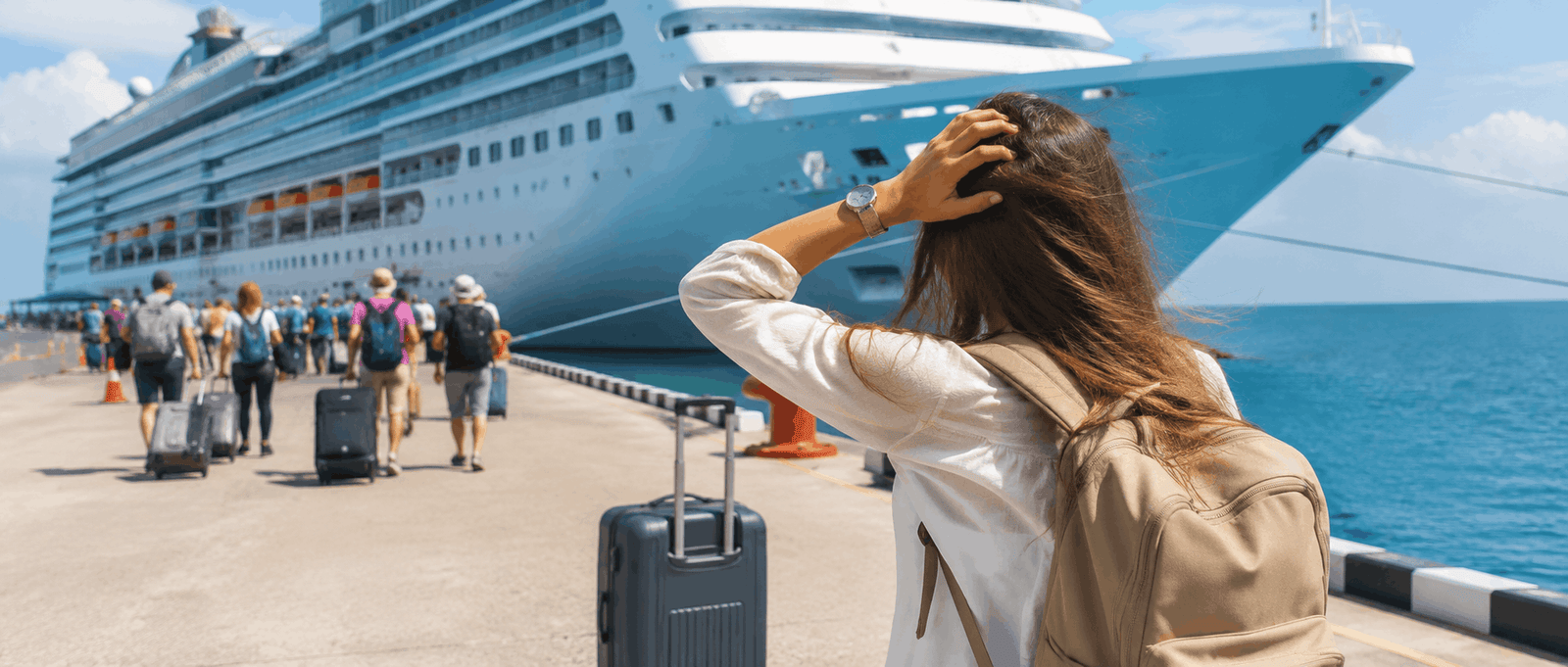
Yes, solo cruising can feel lonely at certain moments if you do nothing to prepare for it. Walking into a main dining room alone for the first time, sitting through a show without anyone to talk to about it afterward, or watching couples and families enjoy the pool together can bring up real feelings of isolation, especially on the first day or two.
But that’s very different from saying solo cruising is inherently lonely. The travelers who struggle most tend to be the ones who booked last-minute, didn’t research solo-friendly ships, and didn’t make any effort to connect with anyone before or during the trip. The travelers who report the best experiences did some combination of the following: joined a community ahead of time, opted into group dining, said yes to the first onboard meetup even when it felt awkward, and gave themselves permission to eat alone occasionally without treating it as a failure.
Preparation matters more than personality here. Introverts who prepare in advance — picking one or two low-pressure ways to meet people, like a shared table or a small group chat — often have just as social a trip as extroverts who show up with no plan at all. The loneliness risk is real, but it’s also one of the most preventable parts of solo travel.
Cruise Communities vs Traditional Cruise Roll Calls
Cruise roll calls — usually long forum threads on sites like Cruise Critic organized by ship and sail date — have existed for years and helped countless solo travelers connect. Modern cruise communities and apps have built on that same idea but solved several of its long-standing frustrations.
| Feature | Traditional Roll Calls | Modern Cruise Communities |
|---|---|---|
| Accessibility | Requires digging through long forum threads | Built for quick browsing, often app-based |
| Ease of use | Text-heavy, hard to search, no notifications | Organized profiles, searchable, real-time updates |
| Finding passengers | Manual — you scroll and hope | Matched or filtered by ship, date, and interests |
| Planning activities | Coordinated manually in comment threads | Built-in planning tools, group chats, shared itineraries |
| Making connections | Slow, often anonymous usernames | Faster, more personal, profile-based introductions |
| Modern experience | Feels like an internet forum from 2005 | Feels like a modern social or travel app |
Roll calls still have value, especially for long-time cruisers who’ve used them for years and have an established routine. But for most solo travelers today, a purpose-built cruise community offers a faster, less frustrating path to the same outcome: knowing people before you board.
How Technology Is Changing Cruise Connections
The shift from forum threads to dedicated apps mirrors what’s happened across almost every part of travel. A few technological changes stand out:
Mobile apps have replaced desktop forums. Solo travelers plan trips on their phones, not at a desktop computer, and cruise-connection tools have moved to match that behavior.
Online communities now organize by more than just ship and date. Interests, age range, and travel style can all factor into who you’re introduced to, which makes connections more relevant than a random roll call thread.
Digital planning tools reduce the back-and-forth. Instead of coordinating an excursion through 40 forum replies, groups can build a shared plan in one place.
Finding travelers before departure has become dramatically easier. What used to take weeks of forum browsing can now happen in a few minutes inside a well-designed app.
None of this replaces the human part of the experience — the actual conversations, meals, and excursions still happen the old-fashioned way, in person. But technology has removed most of the friction that used to stand between “I want to meet people on my cruise” and actually doing it.
How Seaya Helps Solo Cruise Travelers Connect
This is where a Seaya fits into the picture. Modern solo cruisers don’t just want to know that other passengers exist on their sailing — they want an easy way to actually find and connect with them before the ship leaves the dock.
Seaya is built around that specific need. Instead of digging through forum threads or hoping a Facebook group for your exact sail date exists, Seaya lets you find people who are sailing on the same ship, on the same date, so you can start talking before you ever pack a bag. That might mean discovering someone else traveling solo who’s up for exploring the same port, or finding a small group already planning a meetup on embarkation day.
The goal isn’t to replace the spontaneous, in-person magic of cruising — bumping into someone interesting at the pool bar will always be part of the appeal. It’s to make sure that solo travelers aren’t left entirely to chance if they’d rather not be. By connecting people to their actual sailing community ahead of time, Seaya gives solo cruisers a head start: friendships and plans that are already in motion by the time the ship pulls away from port, instead of starting from zero on day one.
Tips for First-Time Solo Cruisers
If this is your first solo sailing, a little preparation goes a long way toward making it feel social rather than isolating.
- Join a cruise community as soon as you book, not the week before you sail. Early joiners tend to build the strongest connections.
- Say yes to the first onboard meetup, even if it feels awkward. Nearly everyone there is in the same boat, literally and figuratively.
- Try at least one group activity you wouldn’t normally choose. Trivia, group excursions, and shared dining tables are low-pressure ways to meet people.
- Be open to conversations that start small. A comment about the buffet line or the weather is often how the best cruise friendships begin.
- Plan a few things before sailing, even if it’s just one dinner reservation or one port meetup. Having a single plan in place takes the pressure off the rest of the trip.
- Give yourself permission to have alone time too. The best solo cruises usually include a mix of social moments and quiet ones — you don’t have to be “on” the entire trip.
Future of Solo Cruise Communities
Solo travel has been one of the fastest-growing segments in tourism generally, and cruising is following the same trajectory. Cruise lines are responding with more solo cabins, more dedicated onboard programming, and itineraries specifically marketed to solo travelers.
At the same time, the tools solo travelers use to connect with each other are only going to get more specific and more personal. Expect cruise communities to keep moving away from generic forums and toward platforms that match people by interest, travel style, and sailing date — making it easier to find not just any other passenger, but the right ones for the kind of trip you actually want.
The broader trend across travel is toward “social independence” — the ability to travel entirely on your own terms while still having easy access to community whenever you want it. Cruising is particularly well-suited to that trend because the ship itself is a contained, repeatable environment: the same group of people, the same set of days, the same shared context. That structure is exactly what makes cruise communities work so well, and it’s likely to be the model more solo travel experiences build toward in the years ahead.
It’s also worth noting that this shift benefits more than just first-time solo cruisers. Repeat solo travelers are increasingly using communities to plan entire trips around people they’ve sailed with before, effectively turning a single cruise friendship into a recurring travel group. Some communities have already started organizing informal “sail again” meetups, where a group that first met on one ship books a future cruise together specifically to continue the experience.
FAQs
Are solo cruises lonely?
Solo cruises can feel lonely in specific moments, especially early in the trip, but most travelers who prepare in advance — by joining a community, opting into group dining, or attending an onboard meetup — report a highly social experience overall.
How do you meet people on a cruise?
The most effective approach combines advance planning through a cruise community or roll call with onboard efforts like group dining, solo traveler meetups, and shared excursions.
What are solo cruise communities?
They’re groups of passengers, often sailing on the same ship and date, who connect before and during their trip to share information, coordinate plans, and get to know each other ahead of boarding.
Are cruises good for solo travelers?
Yes — cruises offer a self-contained environment with built-in social opportunities, dedicated solo cabins on many ships, and structured programming that makes meeting people easier than many other forms of solo travel.
Can you meet passengers before your cruise?
Yes. Cruise communities, roll call forums, and platforms like Seaya all allow you to connect with people on your exact sailing before departure day.
How do cruise roll calls work?
Roll calls are typically forum threads organized by ship and sail date, where passengers introduce themselves and coordinate meetups, dinners, or shared excursions ahead of the cruise.
Are cruise communities safe?
Reputable cruise communities and platforms generally involve public or semi-public introductions rather than sharing sensitive personal information, and most connections move to in-person meetups only once onboard, in the same public spaces as the rest of the ship.

For Christian, Seaya is the culmination of a career-long obsession with innovation. By leveraging his deep technical expertise to dismantle legacy constraints, Christian is transforming the way travelers connect at sea. He is dedicated to keeping Seaya at the vanguard of the “what’s next,” proving that the most powerful innovations happen when world-class tech meets a completely new frontier.
SUBSCRIBE NOW
Your Next Cruise Adventure Awaits
- News & articles
Related Blog