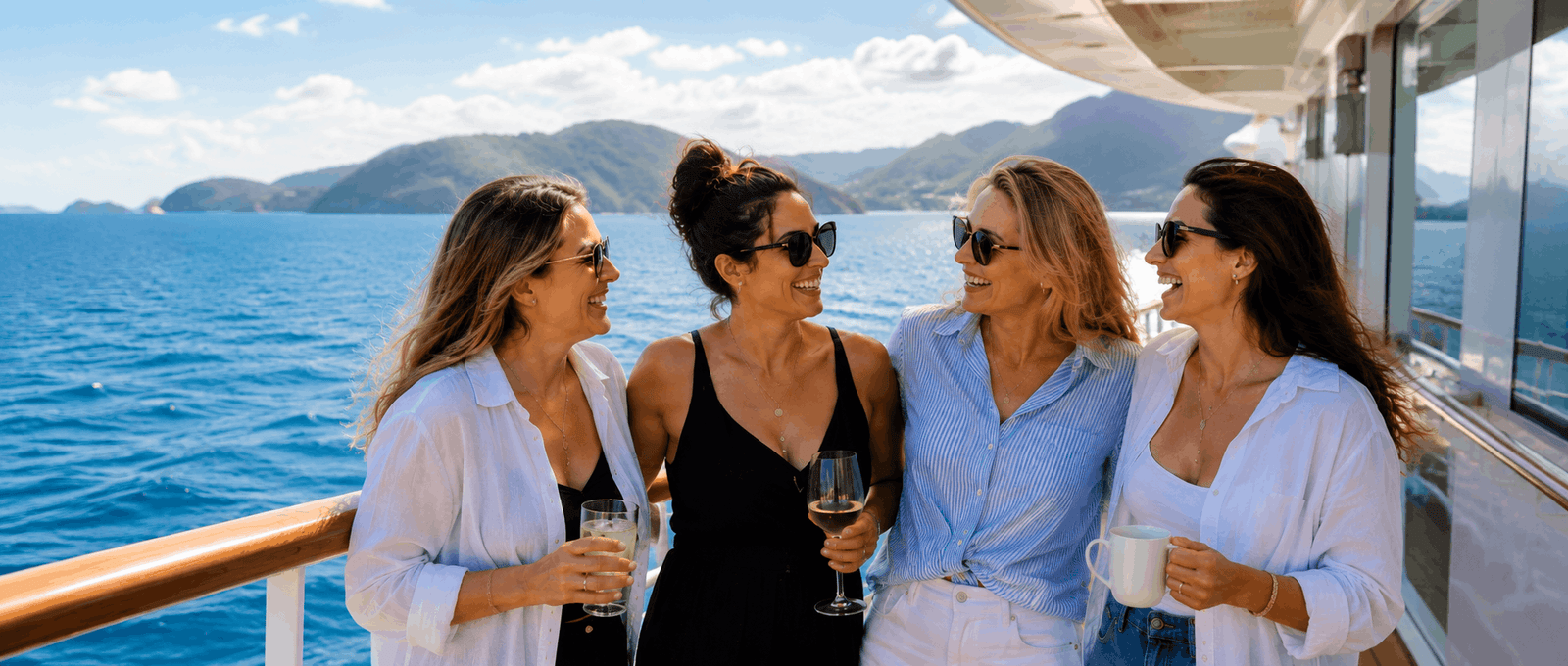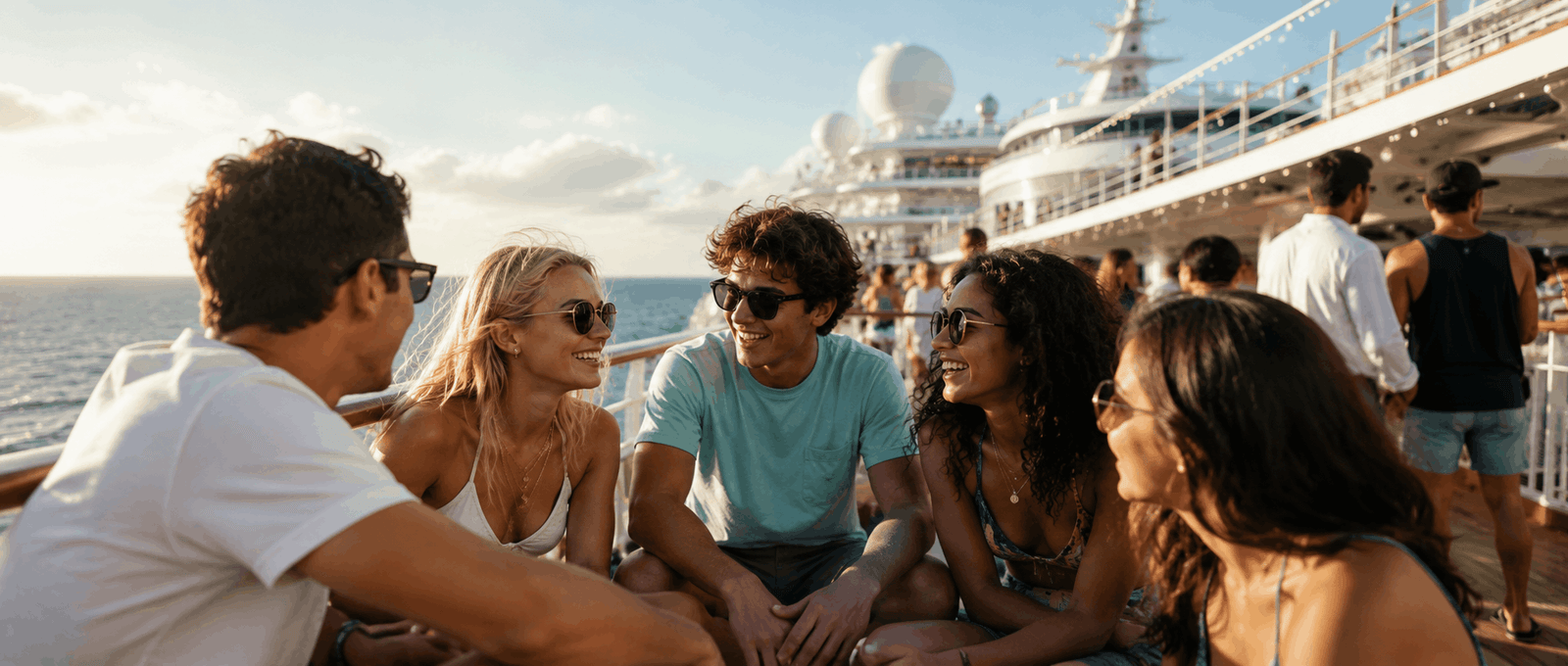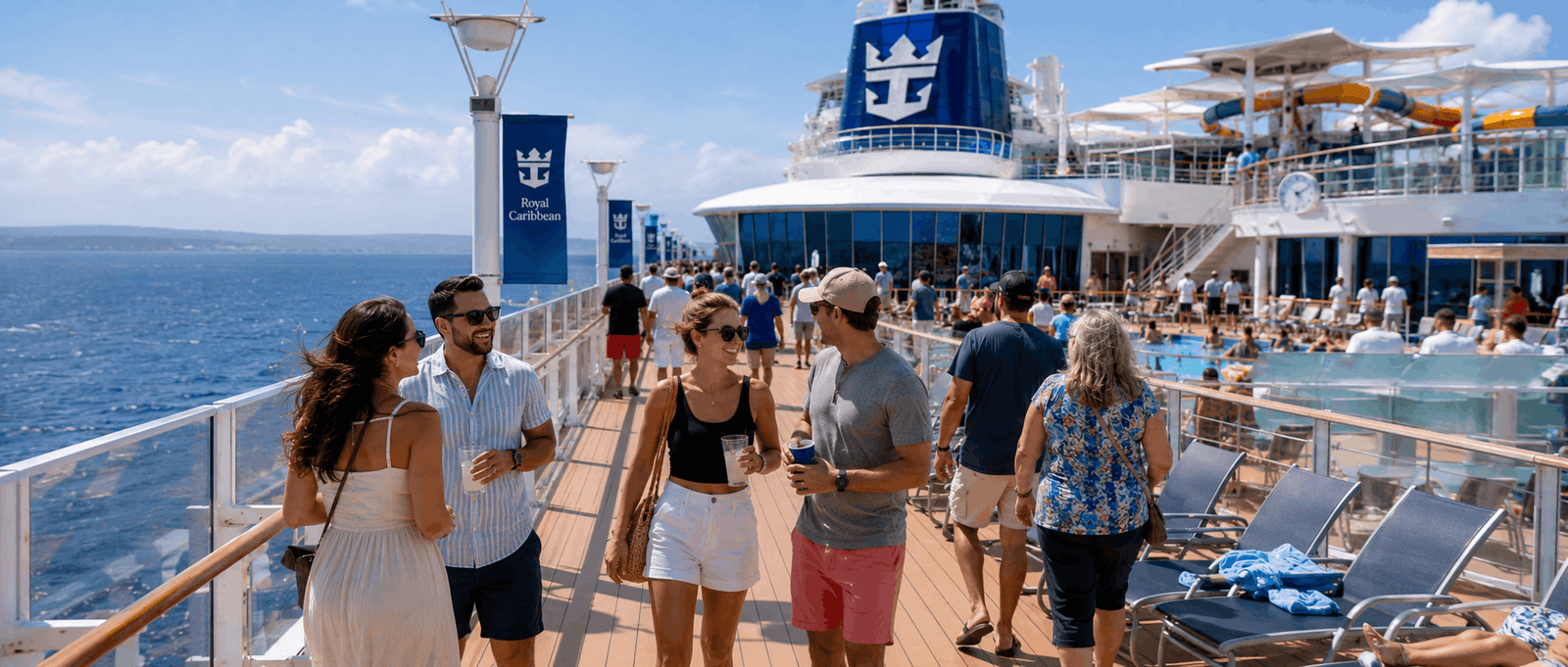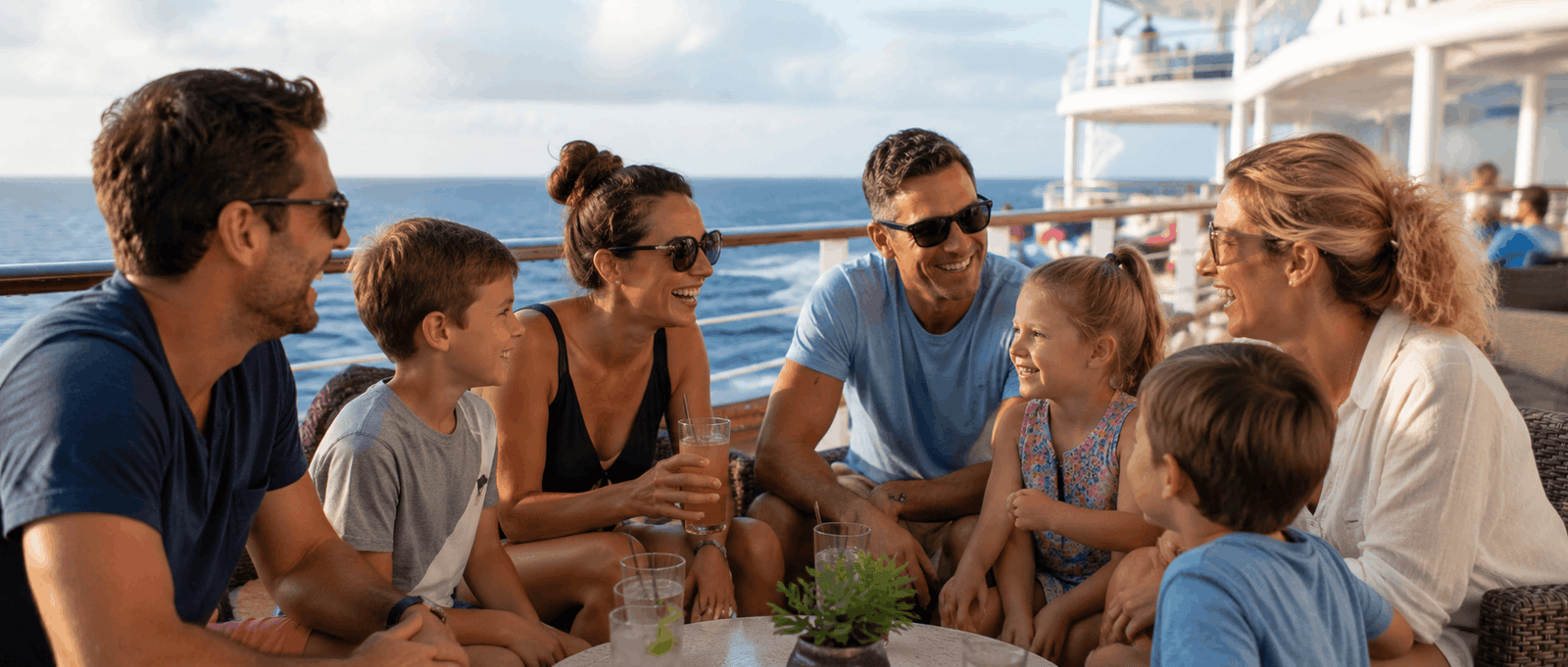
Imagine stepping onto the deck of a cruise ship and heading straight for a table where a group of people are already waving you over. You know their names. You know their favorite drinks and which shore excursion they booked for Thursday. That image is not a fantasy — it is the new reality of modern cruising, and it is available to anyone willing to put in a few minutes of preparation before departure day. Learning how to meet people on a cruise before the gangway even drops is the single most effective thing any traveler can do to transform a standard holiday into something genuinely memorable.
Whether you are a solo traveler stepping outside your comfort zone or a couple looking to expand your social circle on the water, the tools and strategies available today make building cruise friendships easier, faster, and far more enjoyable than it has ever been. This guide covers all of it.
Why Making Cruise Friends Before You Board Changes Everything
Cruising is a fundamentally different social environment from any other form of travel. Unlike a hotel stay where guests scatter across a city each morning, a cruise keeps the same community together for days — sometimes weeks. You share dining rooms, pool decks, entertainment venues, and port days with the same people, creating repeated opportunities for connection that simply do not exist in most travel settings. That repeated exposure is the raw material of genuine cruise friendships, but it only becomes something real when you meet the right people. And meeting the right people is a lot easier when you start looking before you leave home.
Many experienced travelers actively search for a cruise companion before departure for very practical reasons. Splitting the cost of a private shore excursion with someone you already trust is significantly cheaper and more enjoyable than joining a crowded ship-organized tour. Having a reliable dinner companion on the first night — before you have had any time to orient yourself — removes the low-level anxiety that solo travelers often feel walking into a full dining room alone. According to research published by Cruise Critic, solo passengers who arrive with pre-arranged social connections consistently report higher overall satisfaction scores than those who rely entirely on chance encounters onboard.
The shift happening across the cruise industry right now is significant. Travelers — particularly younger cruisers, digital nomads, and solo adventurers — no longer see the social side of a voyage as an afterthought. For many of them, the people they share the trip with matter just as much as the destination itself. The demand for better ways to make that happen has driven an entirely new category of travel technology into existence.
How Technology Transformed the Way Travelers Find Cruise Buddies
The Old Way: Forums, Facebook Groups, and Scattered Conversations
For years, the standard approach to finding cruise buddies before a trip involved juggling multiple platforms at once. Travelers would search for their ship’s unofficial Facebook group, wade through months of posts to find passengers on their specific sailing date, cross-reference names with Cruise Critic Roll Call threads, and try to manage conversations across two or three different inboxes simultaneously. It worked, in the way that a paper map works — technically functional, but exhausting compared to what came next. The process placed the entire organizational burden on the traveler, and a lot of people simply did not bother.
The Modern Solution: A Dedicated App for Cruisers
That friction is exactly what Seaya was built to eliminate. Rather than hunting across disconnected platforms, Seaya brings everything into one purpose-built space designed specifically for maritime social travel. You create a profile, connect your upcoming sailing, and immediately see fellow passengers who are booked on the exact same voyage — filtered by shared interests, compatible travel styles, and itinerary overlap.
The difference between Seaya and the patchwork of forums and groups that preceded it is not just convenience — it is quality of connection. When every person in your feed is heading to the same ports on the same dates, conversations are immediately relevant and actionable. You are not chatting with cruisers in the abstract. You are making plans with the specific people who will be at the pool bar on Tuesday afternoon and weighing up the same shore excursion options you are. That context transforms what would otherwise be small talk into the foundation of a genuine cruise friendship.
Seaya also doubles as a travel journal of sorts — your profile showcases past voyages and port check-ins, turning your travel history into natural conversation starters. For solo travelers in particular, this feature is valuable: it signals at a glance that you are an experienced, independent traveler looking to connect, which tends to attract the right kind of cruise companions rather than random introductions.
How to Find Cruise Friends Before Departure: A Practical Approach
Start at Least 30 Days Out
The earlier you begin, the more time genuine connections have to develop. Downloading Seaya and setting up your profile at least a month before sailing gives you enough runway to move from an initial “hello” to an actual plan — a first-night dinner reservation, a shared private excursion booked through GetYourGuide, or simply an agreed-upon meeting spot at the atrium bar after the muster drill. Relationships that have had weeks to develop feel natural and comfortable by embarkation day. Ones formed in the first 24 hours onboard can feel rushed.
Be Specific About What You Are Looking For
Vague profiles attract vague connections. The travelers who are most successful at finding cruise friends before departure are those who are specific about what they enjoy. Mentioning that you want someone to explore local food markets with in port, or that you are looking for a cruise buddy for the casino on sea days, attracts people who actually share those interests. Specificity is the difference between accumulating a long list of casual digital acquaintances and finding one or two people you genuinely look forward to meeting.
Move From Chat to a Concrete Plan
The most important step in any pre-cruise social connection is transitioning from a conversation to an actual arrangement. Suggest a specific meeting point for day one — the Aft Bar immediately after sail-away, or the buffet at a particular time on the first evening. Low-pressure, specific plans are far more likely to result in real friendships than open-ended “let’s hang out” messages that never resolve into anything.
Onboard Strategies: How to Meet People on a Cruise Once You Arrive
Digital preparation sets the stage, but the first 24 hours onboard remain critical. Passengers are still settling in, everyone is in a genuinely open and curious mood, and the social environment is at its most fluid. This is the window when cruising with friends you have never actually met in person becomes a real and comfortable experience.
Trivia sessions are one of the most reliable social shortcuts on any ship. Walk in, find a table with a few people, and ask if they could use an extra player. That single question has launched more lasting cruise friendships than almost any other onboard activity. The shared stakes — however low — create instant camaraderie, and the format gives everyone a natural reason to keep talking after the session ends.
Most cruise lines also host a solo traveler lunch on the first sea day. Even if you are not traveling alone, these gatherings tend to attract the most sociable and genuinely open passengers on the ship — the people who are actively interested in meeting others regardless of their own travel situation. They are high-energy, low-pressure environments that consistently produce connections worth keeping.
Shore excursions remain one of the most powerful natural icebreakers available. Small group tours — whether booked through the ship or arranged independently via Viator — place you alongside a handful of other passengers for several hours of shared experience. Exploring an unfamiliar port city together, navigating a foreign transit system, or discovering a local restaurant that was not in any guidebook creates the kind of bond that a poolside conversation rarely manages. The small shared adventure of being slightly lost together in a foreign place turns strangers into travel companions faster than almost anything else.
Social Etiquette at Sea: The Unspoken Rules
Cruising attracts a genuinely diverse range of travelers, and not all of them have the same agenda. Some passengers want a quiet, private holiday and have no interest in expanding their social circle onboard. Reading those signals early — and gracefully redirecting your energy when you encounter them — is as important as being proactive in the first place.
The opening question that has survived decades of cruise travel — “Is this your first time with this cruise line?” — works for a reason. It is open-ended, non-intrusive, and gives the other person a clear on-ramp into a longer conversation if they want one. Short answers and drifting eye contact are equally clear signals. Move on warmly and find your people elsewhere. On a ship carrying thousands of passengers, there is no shortage of candidates.
When a connection does click, be specific and prompt about follow-up plans. Vague promises to “catch up later” rarely survive the geography of a large vessel. Exchange cabin numbers or Seaya usernames and agree on a concrete time and location — the atrium bar at seven, the lido deck after tomorrow morning’s port call. Specificity is what converts a pleasant conversation into an actual friendship that extends beyond the voyage itself.
A Note for Solo Travelers: You Have More Advantages Than You Think
Solo cruising has grown substantially in recent years, with many lines now offering purpose-built solo cabins and dedicated social programming. Resources like Solo Traveler World offer detailed practical guidance on the experience. The social fundamentals are consistent across all traveler types — start early, be specific, lean into structured events — but solo travelers carry one genuine structural advantage: complete freedom. There is no travel partner to consult, no schedules to reconcile, and no reason to say no to anything. You can follow a conversation wherever it leads, change plans on a whim, and say yes to a spontaneous invitation to join a new group for the afternoon.
The main dining room with traditional assigned seating is often the most valuable social real estate for solo passengers. Sharing the same table every evening with a consistent group over the course of a week-long voyage is one of the most reliable paths to genuine connection available on any ship. Many solo travelers report that their dining tablemates become the core of their social circle for the entire cruise — and sometimes cruise companions for future voyages too.
Safety and Trust in Online Cruise Networking
As online travel communities have grown, so has traveler awareness of safety and privacy. People want social experiences, but they also want to feel secure in the platforms they use to find them. Modern cruise networking apps have responded by placing greater emphasis on profile verification, privacy controls, and transparent community standards.
Platforms like Seaya are built with these principles at their core — encouraging genuine, verified profiles and responsible communication between travelers. The practical rules for any first meeting remain sensible and consistent: keep early interactions within the app’s messaging system, arrange first in-person meetings in public onboard spaces like the atrium or pool deck, and trust your instincts. The cruise environment — a controlled, staffed, security-monitored vessel — is one of the safer settings in which to meet new people, but basic common sense always applies.
Conclusion: The Social Cruise Is the Better Cruise
The secret to a truly memorable cruise has never really been about the size of the ship, the quality of the dining, or the ambition of the itinerary. It has always been about the people you share it with. The difference between a good vacation and a great one — the kind that generates stories you are still telling three years later — almost always comes down to connection.
Modern tools have removed the friction that used to make pre-cruise social networking feel like a second job. There is no longer any need to manage scattered forum threads and Facebook groups across multiple platforms. A Seaya App puts everything in one place: the passengers on your specific sailing, filtered by shared interests, with a clean and direct way to connect. It takes minutes to set up and can change the entire character of your voyage.
Set up your profile, spend twenty minutes browsing who else is on your sailing, and show up on embarkation day with the quiet confidence of someone who already has plans for the first night. The shared adventure of discovering a new destination together — of being temporarily lost in a beautiful foreign port with people you met three weeks ago online — is one of the more quietly remarkable experiences modern travel can offer.
A cruise is one of the rare environments in the world where total strangers, thrown together by a shared itinerary and a mutual appetite for discovery, routinely become lifelong cruise friends. The gangway drops either way. You might as well walk onto it with someone already waiting to wave hello.
Frequently Asked Questions
What is the best app to meet people on a cruise?
Seaya is currently the most purpose-built option available, designed specifically for maritime social travel. It connects passengers on the same sailing based on shared interests and itineraries — all in one dedicated space rather than scattered across forums and Facebook groups.
How early should I start looking for cruise companions?
Ideally, begin at least 30 days before departure. This gives connections enough time to develop naturally and allows you to make concrete plans — shared excursions, dinner arrangements, first-night meetups — before you arrive at the terminal.
Is it safe to meet people online before a cruise?
Yes, when using trusted platforms with privacy controls and profile verification. Use in-app messaging initially, arrange first in-person meetings in public spaces onboard, and follow standard common-sense precautions. The CDC Vessel Sanitation Program and cruise lines themselves maintain strict onboard safety standards that make cruise ships among the more controlled environments in which to meet new people.
What if I am an introvert — can I still make friends on a cruise?
Absolutely. The structured nature of cruise activities — trivia, dining, shore excursions — removes the pressure of cold conversation. Pre-connecting through an app like Seaya before departure means that by embarkation day, at least one or two familiar names are already waiting for you, which makes the entire social environment feel significantly less daunting.

For Christian, Seaya is the culmination of a career-long obsession with innovation. By leveraging his deep technical expertise to dismantle legacy constraints, Christian is transforming the way travelers connect at sea. He is dedicated to keeping Seaya at the vanguard of the “what’s next,” proving that the most powerful innovations happen when world-class tech meets a completely new frontier.
SUBSCRIBE NOW
Your Next Cruise Adventure Awaits
- News & articles
Related Blog